


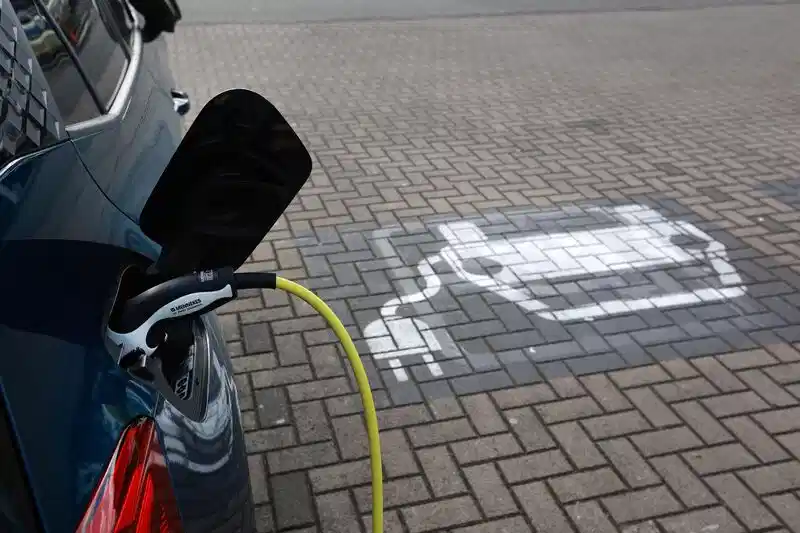


In a move aimed at accelerating the shift from traditional combustion engines, the European Union has agreed to introduce electric and hydrogen charging points across the region over the next few years. Negotiators from the European Parliament and member states reached a deal to install electric vehicle charging stations at least every 60 kilometers on key roads by 2026, while trucks will have charging points every 120 kilometers, half of which will be in place by 2028. The agreement also calls for hydrogen refueling stations to be established every 200 kilometers by 2031.
The lack of charging infrastructure has been a major obstacle in the transition to electric vehicles, with limited driving range cited as a key concern by motorists. The new rules are intended to simplify and streamline the charging process, making electric and hydrogen-powered vehicles as convenient as traditional petrol-fueled cars. Lawmaker Ismail Ertug, who led the negotiations, said the transport sector is a major source of emissions and must be decarbonized, while the EU also aims to achieve 90% zero-emissions heavy-duty vehicles by 2040.