


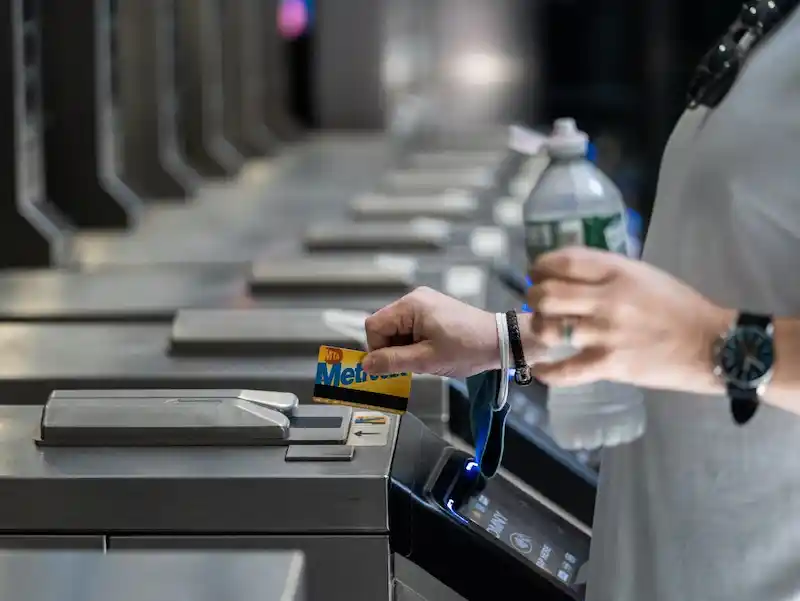


New York's Metropolitan Transportation Authority (MTA) has made the decision to increase prices on subways, buses, and commuter rails, marking the first fare hike since 2019. This move comes as the MTA faces significant budget deficits and aims to generate additional revenue to sustain its operations.
The approved fare increases will come into effect on or around August 20, following the MTA's monthly board meeting on Wednesday. While the cost of monthly and weekly transit passes had been raised in 2019, the base fare for the subway remained unchanged since 2015. However, the base subway and bus fare will now see an increase from $2.75 to $2.90, while the weekly unlimited pass will rise by $1 to $34. Meanwhile, the monthly unlimited pass will cost $132, up from $127. Additionally, tolls on MTA bridges and tunnels will increase by 6% for E-ZPass users. These fare and toll hikes were part of a budget agreement reached earlier this year, which included additional payroll tax revenue for the MTA alongside the fare and toll increases.
MTA's Chief Executive Officer, Janno Lieber, acknowledged that increasing fares will have consequences but emphasized the necessity of maintaining a functioning transit system. Lieber stated, "For everybody who depends on this transit system... mass transit is like air and water for New Yorkers - we need it."
The decision to raise fares now comes after the MTA had avoided fare increases temporarily in order to encourage ridership recovery following the COVID-19 pandemic. However, the MTA plans to implement another fare hike in 2025, reverting to its pre-pandemic trend of increasing fees every two years.
MTA's major crossings will also see toll increases, with E-ZPass users now paying $6.94, up from $6.55, while tolls by mail will cost $11.19, up from $10.17.
Despite a gradual rebound in ridership, the MTA projects that systemwide usage is still only at around 70% of 2019 levels. The agency expects ridership to reach only 80% of pre-pandemic levels by 2027.
For suburban commuters, monthly passes on the Long Island Rail Road and Metro-North Railroad will be subject to increases of up to 4.5%, with 30-day passes capped at $500 and weekly tickets costing no more than $177.50.
The MTA aims to raise overall farebox revenue by 4% and toll receipts by 5.5% through these increases. This additional revenue will assist the agency in addressing budget deficits through 2027 as federal pandemic aid gradually expires.