


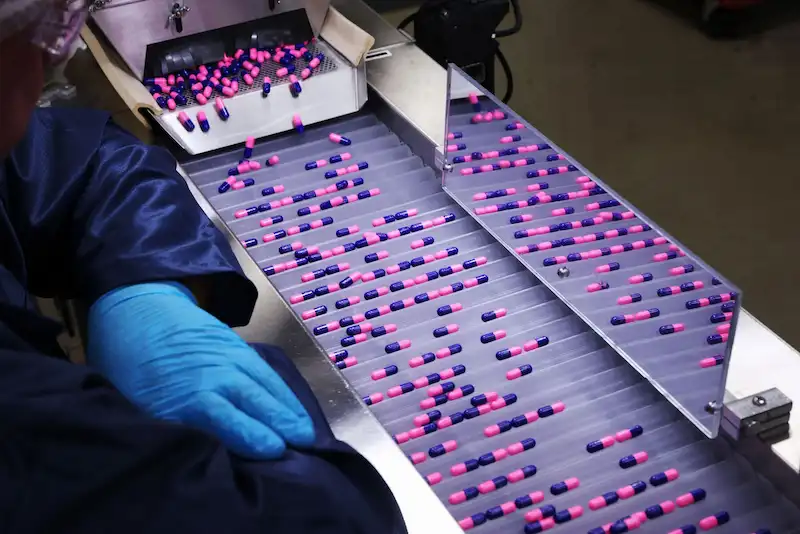


In the quiet town of Bristol, Tennessee, nestled in the picturesque Appalachian Mountains, a once-thriving manufacturing plant now stands on the brink of closure. Built in the 1970s, the plant was a major producer of amoxicillin, an essential antibiotic used to treat strep throat, ear infections, and other common ailments. At its peak, the facility employed over 500 workers and churned out billions of pills each year, supplying the entire country's demand for amoxicillin.
However, the plant's fortunes have drastically declined in recent years. By July, only 62 employees remained, and production had plummeted to a mere 3% of America's amoxicillin supply. The factory, once bustling with activity, now sits eerily still, its equipment covered in plastic. The cafeteria, which once buzzed with lunchtime chatter, now stands empty. The reason for this decline is the lack of profitability in generic drugs like amoxicillin.
For the past decade, prices of generic drugs have plummeted due to intense pricing competition. Generic drugs have become commodities, with cost being the only distinguishing factor. As a result, pharmacies have seen a sharp decline in the prices they pay for generic drugs. While this may seem beneficial for consumers, it has led to a race to the bottom for drug manufacturers, making it difficult for them to turn a profit.
The impact of these declining prices has been keenly felt in the pharmaceutical industry, with two American generic drug companies filing for bankruptcy this year alone. The last domestic manufacturer of amoxicillin also faced bankruptcy in 2020, leaving a significant gap in the country's supply of this essential antibiotic.
Rick Jackson, the CEO of Jackson Healthcare, which acquired the struggling plant two years ago, recognizes the urgent need to address this shortage. His plan to keep the plant running and address the crisis involves persuading the US government to purchase the antibiotics manufactured at the facility. He is seeking a contract of $30 million per year for the next three to five years specifically for amoxicillin production. Jackson believes this support would not only help his business stay afloat but also provide the capacity to address future shortages effectively.
The idea of government support for domestic drug manufacturing has gained traction recently, as countries worldwide face challenges in maintaining critical medicine supplies. The COVID-19 pandemic exposed vulnerabilities in global supply chains, particularly for medical equipment and drugs. Several countries, including the US, have expressed interest in subsidizing the manufacturing of generic drugs and medical supplies to ensure a steady and reliable domestic supply. Austria and France, for example, have already committed significant funds to bolster their local antibiotic production.
The US Department of Health and Human Services (HHS) has allocated substantial funding to support domestic drug manufacturing, primarily focused on addressing shortages caused by the pandemic. However, this funding is limited to emergency response initiatives related to the ongoing health crisis. While there is a consensus among lawmakers on the importance of bolstering domestic drug manufacturing for national security reasons, a comprehensive solution has yet to be implemented.
The reluctance to provide financial assistance to the pharmaceutical industry can be attributed, in part, to concerns about potential increases in healthcare costs. However, experts argue that ensuring access to critical drugs should be prioritized alongside other industries receiving government support. The consequences of drug shortages are not merely economic but can have severe implications for public health and national security.
While establishing more manufacturing plants in the US is a step in the right direction, it is not a complete solution. Drug shortages are caused by various factors, including quality issues at facilities both domestically and abroad. Additionally, the global supply chain for pharmaceuticals relies heavily on raw materials, with a significant portion originating from China. This leaves the US vulnerable to disruptions in the supply of essential drug components.
For now, the future of the Bristol, Tennessee plant remains uncertain. Although the facility received some assistance from the FDA during the height of amoxicillin shortages, a firm commitment from the US government to purchase the drugs has yet to materialize. Rick Jackson is determined to keep the plant open as long as possible in the hopes of securing government support. However, without a sustainable financial solution, the plant's survival hangs in the balance, and with it, the availability of a critical antibiotic for children's health.