


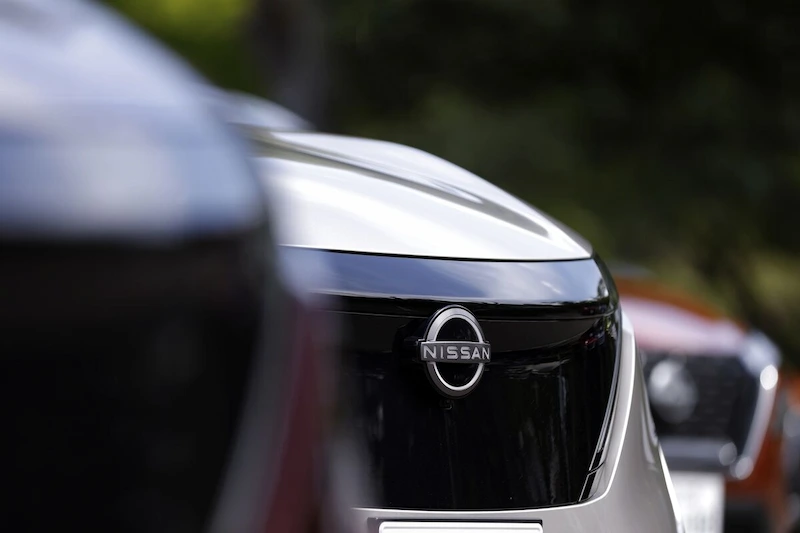


Renault SA and Nissan Motor Co. are implementing changes within their alliance, signaling a further separation between the two car manufacturers. They have decided to dismantle their common purchasing organization, which has been a successful aspect of their troubled alliance so far, and transition to a new project-based approach. Renault has informed its employees about the restructuring of roles previously associated with the alliance.
As part of their efforts to become more independent from each other, Renault is revamping its corporate structure under the leadership of CEO Luca de Meo. This restructuring aims to better manage the costly transition to electric vehicles and increase profitability. The new strategy involves the creation of distinct teams dedicated to specific projects, rather than continuing with a shared purchasing organization.
Renault and Nissan have been working together to reestablish their strained alliance by identifying common projects that can reignite their collaboration. The focus of these joint initiatives will primarily be in Europe, Latin America, and India. Moving forward, the leading company in each specific project will have the autonomy to drive it forward.
The decision to transition to a project-based setup reflects the need for agility given the regional challenges faced by the automotive industry. Differences in regulations, connectivity, and supply chain requirements have made it necessary for companies to adapt to specific market conditions. Renault believes that the new structure will allow both companies to address these challenges more effectively.
The revised alliance agreement between Renault and Nissan has also provided them with the freedom to pursue other partnerships and collaborations. Renault has joined forces with China's Zhejiang Geely Holding Co. to consolidate their legacy combustion-engine assets. Additionally, Renault is partnering with Qualcomm Inc. on semiconductor development. These partnerships reflect the companies' commitment to staying at the forefront of innovation and technology.
Renault is also taking steps to establish a separate entity called Ampere, which will house its electric vehicle and software assets. The company intends to list Ampere through an initial public offering in 2024. This move will allow Renault to focus on its electric vehicle ambitions and showcase its technological advancements in the market.
The efforts to rebalance the Renault-Nissan alliance include Renault reducing its stake in Nissan, aiming to mend the relationship after the departure of Carlos Ghosn, the former alliance chief. In turn, Nissan has finalized plans to invest up to €600 million ($634 million) in Ampere.
The transactions connected to the rebalancing deal are expected to be completed by the end of the fourth quarter, according to Renault. These changes reflect the car manufacturers' commitment to adapting to the evolving automotive landscape while fostering stronger partnerships and greater autonomy within their alliance.