


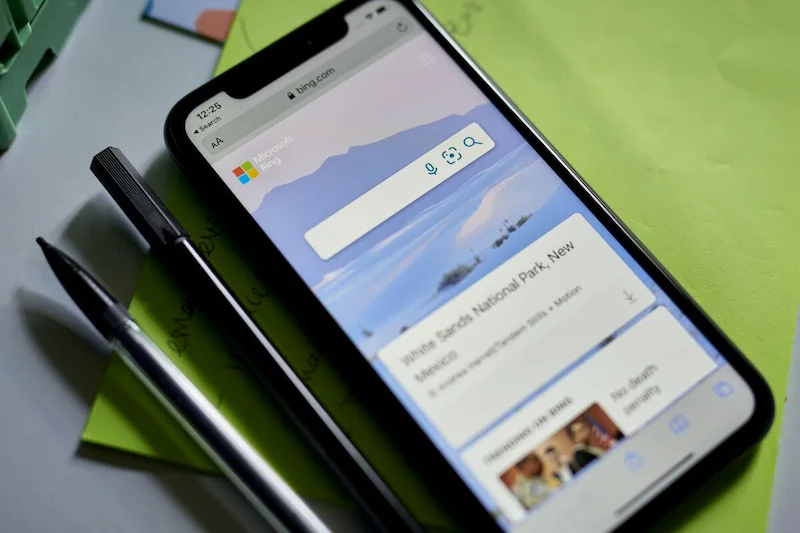


Microsoft Corp. considered investing billions of dollars in a potential partnership with Apple Inc. back in 2016, with the aim of making its Bing search engine the default option on Apple's Safari browser. This move was seen as a strategic attempt to compete with Google, which held a dominant position in the search engine market.
During the ongoing antitrust trial in Washington against Alphabet, Jon Tinter, a Microsoft business development vice president, testified that Microsoft Chief Executive Officer, Satya Nadella, had met with Apple CEO Tim Cook to discuss the potential deal. Tinter explained that the agreement would have resulted in significant financial loss for Microsoft initially, but it was seen as a way to bolster Bing's market share and generate more revenue in the long run.
Microsoft already had a deal in place with Apple for Bing to be used in Siri and Spotlight, two of Apple's popular search features, between 2013 and 2017. However, the company wanted to expand this partnership to include the Safari browser. Unfortunately for Microsoft, Google ultimately strengthened its existing agreement with Apple, taking over the products that had previously utilized Bing.
Such search engine deals involve revenue-sharing between Microsoft or Google and Apple, based on ad clicks generated from user queries. Given that Bing was significantly smaller than Google, Microsoft would have been required to offer a larger percentage of the revenue to Apple, leading to financial losses initially.
Tinter stated, "In the short term, it would have been highly negative. We told the board that we are thinking about making a multi-billion negative investment to support this." The terms of the deal were challenging enough for Microsoft executives to contemplate how they would explain it to the shareholders.
In 2018, Microsoft and Apple revisited discussions about collaborating on search outside the US. Microsoft developed a detailed plan outlining the investments it would make to improve its search capabilities, aiming to instill confidence in Apple regarding the potential switch from using Google as the default search engine.
Apart from Apple, Microsoft also tried to persuade Samsung to adopt Bing as the default search engine on its smartphones. However, Tinter revealed that Samsung preferred to continue its partnership with Google, despite the potentially superior economics of working with Microsoft. Samsung's then-president, Dong-Jin Koh, known as DJ, politely declined Microsoft's proposition, stating that they did not want to jeopardize their existing partnership with Google.
In an email shared during the trial, Tinter conveyed to Nadella his discussion with the Samsung team, stating that DJ had heard Microsoft's desire for a collaboration but did not wish to make any significant moves due to the partnership with Google. Tinter had persistently urged Samsung executives for years to at least consider Microsoft's bid for the default search engine position on their phones, using the example of Apple's successful partnership with Bing.
Despite their efforts, Samsung executives made it clear that they were not interested in pursuing a similar path, as it was deemed not worth the effort. Tinter noted, "We weren't winning, but we were helping Apple win more money and costing Google more money." Nevertheless, Samsung chose to maintain its relationship with Google and declined Microsoft's proposition.