


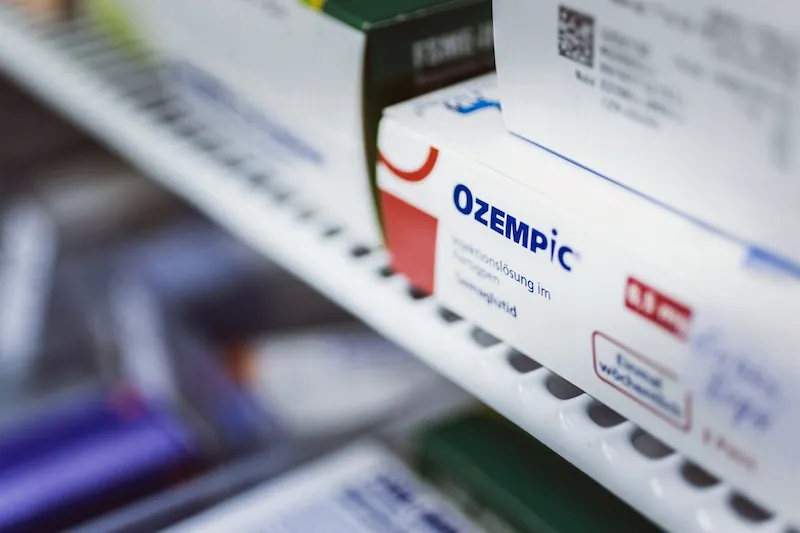


As sales of appetite-suppressing drugs like Ozempic and Mounjaro continue to surge, Corporate America finds itself facing a crucial question: How will a less-hungry and less-impulsive consumer impact their business models? Companies ranging from Walmart Inc. to Conagra Brands Inc. are currently grappling with the decision of whether to factor in the growing popularity of diabetes drugs known as GLP-1s in their long-term strategies. As these decisions could shape their businesses for years to come, there is immense pressure to get it right.
Executives are treading cautiously in response to the rise in GLP-1 usage. John Furner, CEO of Walmart's US operations, mentioned that the retailer is observing a slight decline in overall food purchases due to the drugs. However, it is still too early to draw definitive conclusions. Similarly, Conagra CEO Sean Connolly recently informed investors that his company's scientists are analyzing the data to determine future actions. He mentioned the possibility of offering smaller portions if consumer preferences continue to evolve in that direction.
These cautious statements from industry leaders have already impacted the market, with the S&P 500 Consumer Staples Index dropping 0.5% on Friday.
Companies are now intensifying their scrutiny of GLP-1 drugs as scientific research suggests they may represent a significant breakthrough. While scientists have been studying the GLP-1 hormone for over thirty years, the more potent variants like Wegovy and Mounjaro have opened doors to new possibilities beyond obesity and diabetes treatment.
The cautious approach taken by most executives stems from past experiences. Adnan Durrani, CEO of Saffron Road, which produces frozen meals and snacks, observed that the industry is prematurely considering smaller pack sizes and other adjustments in response to the GLP-1 trend. He compared it to the 1990s' olestra fad, where a fat substitute quickly gained popularity before being discarded due to unpleasant side effects.
Bill Chidley, co-founder of brand consultant ChangeUp, highlighted the potential "whipsaw effect." He drew a parallel to the rise and fall of SnackWell's fat-free and low-fat cookies as consumer preferences rapidly shifted, leaving the product out of position.
The Atkins Diet offers another instructive example. The low-carbohydrate diet's popularity in the early 2000s created a whole category of products tailored to its restrictions. However, companies like American Italian Pasta Co. and Krispy Kreme suffered, while others like General Mills had to reverse course as the diet's popularity waned.
Although projections are being recalibrated based on the expected impact of GLP-1 drugs, companies should be cautious before making drastic changes. Recent data from a Jefferies survey of GLP-1 users revealed that over 40% of respondents reported eating out less and ordering smaller portions. About 70% claimed to be eating less overall, with increased awareness of nutritional benefits. However, 60% of respondents stated their intention to discontinue GLP-1 usage once they reached their target weight, raising questions about the sustainability of these consumption patterns.
Usage patterns remain uncertain as well, as patients often regain weight after stopping the drugs. Some experts suggest that they may need to remain on the medications indefinitely to maintain lasting weight loss.
Bank of America analysts also caution that snacking and beverage categories might be at risk due to the appetite-suppressing effects of GLP-1s. Additionally, these drugs might reduce the impulse to drink. Unexpected disruptions could extend beyond the food sector, with the weight loss potentially driving wardrobe revamps. Retailers catering to plus-size individuals might experience declining sales, while companies like Lululemon Athletica and Deckers Outdoor Corp. could benefit from the adoption of healthier lifestyles.
With shifting data and evolving trends, companies face the challenging task of interpreting and integrating this information into their strategies. The lessons learned from past dieting trends and health fads provide valuable insight into the potential impact of GLP-1 drugs on consumer behavior. As executives cautiously navigate this new landscape, it is essential to strike a balance between responding to current trends and maintaining a long-term view.