


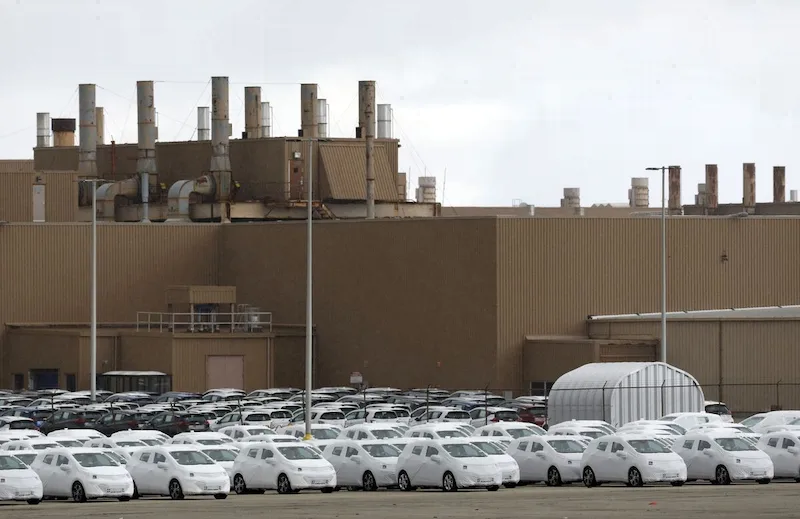


General Motors (GM) has announced that it will be delaying the opening of its second electric-truck plant in Michigan. The move is aimed at preserving capital amidst a slowdown in sales growth for electric vehicles. GM stated that the conversion of its Orion Assembly plant will be pushed back by a year, now expected to open in late 2025. The decision comes as the company aims to better manage capital investment while aligning with the evolving demand for electric vehicles. Additionally, GM plans to make improvements to its electric trucks that could lead to increased profitability.
One of the reasons behind the revised timeline is the slowing demand for electric models in the United States. While EV sales continue to grow, the growth rate has been shrinking. In the third quarter, the volume of EV sales only expanded by 6% compared to a 14% jump in the previous three months. While sales have shown an impressive 50% increase in the first nine months of this year compared to last year, the growth rate is declining as more companies enter the market with their own competing EV models.
Interestingly, automakers currently have a higher inventory of EVs compared to conventional models. As of September, they had 88 days' worth of EV inventory versus just 56 days for conventional vehicles, according to a report by Cox Automotive.
Despite the delay in the Michigan plant, GM will continue to produce its electric Chevrolet Silverado, which began production in June. The company will also focus on manufacturing the Hummer EV, the Hummer SUV, and the Cruise Origin robotaxi. Furthermore, GM plans to expand production at its Factory Zero plant, which straddles Detroit and Hamtramck. In 2024, the company will start building the GMC Sierra EV, followed by the electric Cadillac EscaladeIQ.
GM's competitor, Ford Motor Co., has also experienced a production slowdown for its F-150 Lightning pickup truck. Both Ford and Tesla have lowered prices in order to maintain sales momentum. Analysts suggest that the market for electric vehicles is becoming saturated, as it transitions from early adopters to regular car buyers. This shift in the market dynamic is influencing the strategies of all car manufacturers, not just GM.
Despite the delay, GM remains committed to its goal of achieving installed capacity to produce 1 million EVs in North America by the end of 2025. The company sees the delay as a strategic move to adapt to the changing landscape of the EV market and ensure long-term success. As of now, GM's shares have risen slightly, reflecting confidence in its strategic decision-making.