


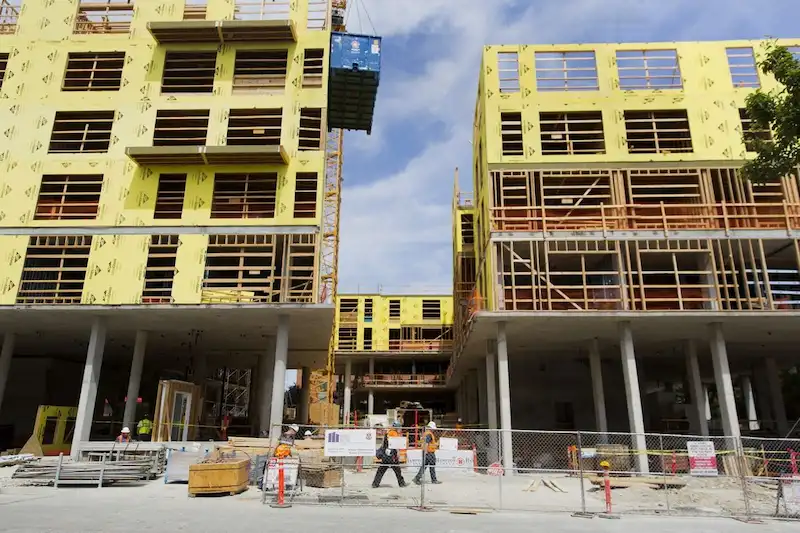


Seattle voters are on the verge of approving a groundbreaking measure that could triple the supplemental property tax funding for affordable housing programs in one of the most expensive markets in the US. The proposed higher levy, which would build upon an expiring one, has the potential to generate up to a staggering $970 million over seven years. These funds would be utilized to construct affordable units and provide support for low-income renters in a city grappling with a severe housing crisis. With more than 13,000 people experiencing homelessness and a shortage of nearly 30,000 affordable units in the county, the need for action is urgent.
Several factors have contributed to Seattle's housing crunch, including geographic limitations, rapid population growth driven by the tech industry, and a long history of restrictive zoning policies. The current levy, which has been in place for over three decades and was last reauthorized in 2016, plays a crucial role in supporting the construction and maintenance of subsidized housing units, as well as programs for individuals experiencing long-term homelessness.
The measure is widely expected to gain approval from voters when they head to the polls on Tuesday. It has garnered support from nearly 100 local and national organizations, including labor unions, the city's chamber of commerce, and the largest employer in Seattle, Amazon.com Inc. These supporters recognize the vital connection between affordability, quality of life, accessible transportation options, and the economic impact it brings to the city and the region.
Under the proposed measure, the owner of a home assessed at the city's median price of $800,000 would see their annual property tax increase from the current $108 to approximately $360. This increase is aimed at generating the much-needed funding to address the affordable housing crisis and make a tangible impact on the lives of many Seattle residents.
Seattle is not the only city in the US exploring new levies to address housing challenges, particularly focusing on properties with higher values. Chicago's City Council committee recently voted in favor of advancing a ballot measure that would impose a tax on real estate sales exceeding $1 million. Los Angeles voters also approved an additional transfer tax on deals exceeding $5 million last year.
However, the proposed measure in Seattle has faced opposition from Roger Valdez, a self-described developer who was asked by a city election official to write a statement against the measure for the voter information guide. Valdez argues that the housing units funded by the levy are insufficient compared to the demand and calls for deregulation to allow for greater density and increase the housing stock.
On the other hand, proponents of the measure, such as Habitat for Humanity, stress the importance of increasing the rate due to rising construction expenses and the need to provide more services. The measure is not meant to be a standalone solution but works alongside other city initiatives, state laws, and housing vouchers to address the housing crisis. The funds raised by the additional tax, combined with other programs and private equity investments, create a comprehensive approach to tackle the affordable housing shortage.
The potential approval of this groundbreaking measure in Seattle sends a clear message about the city's commitment to addressing its housing crisis. By significantly increasing the supplementary property tax, Seattle aims to make a substantial impact on the number of affordable housing units and support for low-income residents, paving the way for a more equitable housing landscape in the city.