


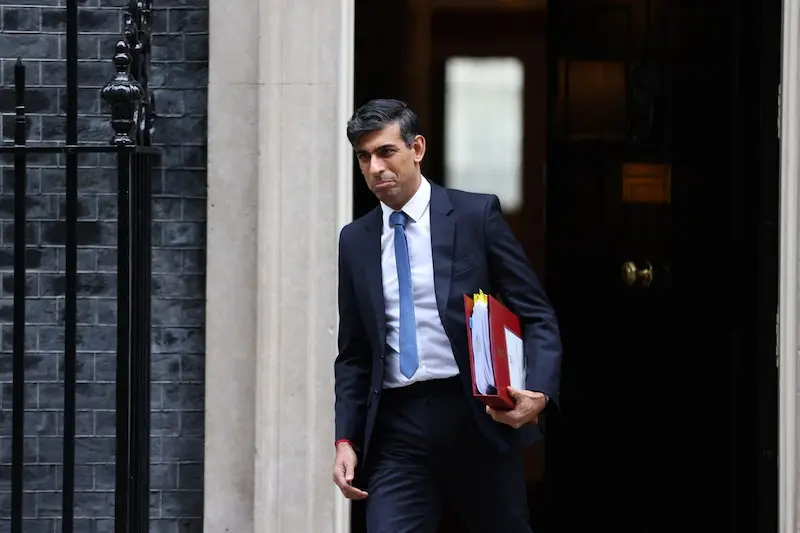


Chancellor of the Exchequer Rishi Sunak is reportedly contemplating further tax cuts and deliberating on the date for the next UK general election, according to insiders. This decision is expected to be made around February, as the Prime Minister's aides weigh the option of holding the vote in May or delaying it until later in 2024.
Speculation about a potential earlier election arose after Chancellor Jeremy Hunt's Autumn Statement, which included a fast-tracked payroll tax cut set to take effect in January instead of April. This move could allow voters to experience the benefits before a potential spring election. Furthermore, Hunt's ambiguity in broadcast interviews about the timing of his spring Budget has fueled rumors in Westminster.
Previously, Sunak's team had indicated their plans for a November 2024 election, close to the January 2025 deadline for a mandatory vote. The prevailing assumption among Conservative Party lawmakers is that Downing Street would desire a later election to extend Sunak's time in office, as polls currently suggest a likely loss of power without a significant shift in public opinion.
However, even if the Tories fail to overturn their polling deficit against the Labour Party, the timing of the election could impact the opposition's victory margin. Conservative strategists believe that if they can narrow the gap to approximately 10 points, a May election could potentially prevent Labour from securing a parliamentary majority. Sunak may then aim to remain as Tory leader, hoping that the Labour's attempts to form a coalition government fail, leading to a second vote.
The possibility of a spring election has been discussed within Sunak's top team, but it hinges on improved economic prospects by February. This would involve further decreases in inflation and wage growth that leave workers feeling financially better-off. Some aides are concerned that delaying the election until the last possible moment would expose Sunak to accusations from Labour of evading voters. Waiting longer could also allow other unfavorable factors, such as a potential surge in migrant arrivals by boat over the summer, to drag down the Tories and renew criticism of the government's immigration policies.
While Sunak has yet to make a firm decision about the election date and intends to keep his options open, a Downing Street official has tried to downplay speculation about an early election. Currently, Labour leader Keir Starmer appears to be on track for a landslide victory, as the latest YouGov survey gives his party a 19-point lead, albeit with a slight narrowing of the gap after Hunt's statement on the government's economic plans.
Although advisers from both major parties anticipate the polls to tighten before the election, it may prove challenging for Sunak to reverse the consistent lead that Labour has held throughout his premiership. Consequently, many Tories doubt that Sunak would call an early election without a significant shift in public sentiment.
Meanwhile, No. 10 has tasked a group of Conservative advisers with intensifying attacks on Starmer. This group, known informally as "Just Stop Starmer," has been instructed to focus their criticism on the economy and migration. Tory lawmakers have been asked to claim that Starmer's plans mirror old-fashioned patterns: unfunded spending, higher debt, and uncontrolled immigration.
Regarding the economy, Sunak intends to announce additional tax cuts during the spring budget, provided inflation falls below 3%. These tax cuts would fulfill Sunak's election pledge and could also include revived proposals to reduce inheritance tax. However, some Conservative lawmakers are skeptical that a focus on tax cuts will significantly influence voters, as polls indicate that concerns about the state of public services are more paramount. In fact, Hunt's statement suggests further spending cuts of £19 billion ($24 billion) to departmental budgets in the next parliament.
As for migration, although Sunak may attempt to depict Starmer as having a soft stance on immigration, this topic could backfire on the Prime Minister. Some Tory lawmakers are calling for Sunak to expedite a crackdown on legal migration, especially after near-record numbers were announced recently. Furthermore, the plan to deport asylum seekers to Rwanda has faced significant setbacks and opposition.
Under pressure from the right-wing of his party, Sunak is contemplating the inclusion of a "notwithstanding" clause in upcoming legislation, which would dis-apply the Human Rights Act. This move would test Britain's commitment to international conventions, such as the European Convention on Human Rights.
Downing Street anticipates opposition to such legislation from the House of Lords and legal challenges from individuals. Nonetheless, they hope to garner support from like-minded European leaders to pressure European courts not to impede flights to Rwanda. Even if this legislation does not materialize before the election, Tory aides plan to leverage the opposition as an argument for Sunak needing a mandate from voters to deliver on migration policies.
A document distributed to lawmakers this week by Tory headquarters included a page titled "dividing lines," indicating that the march towards the election has already begun, according to one recipient.