


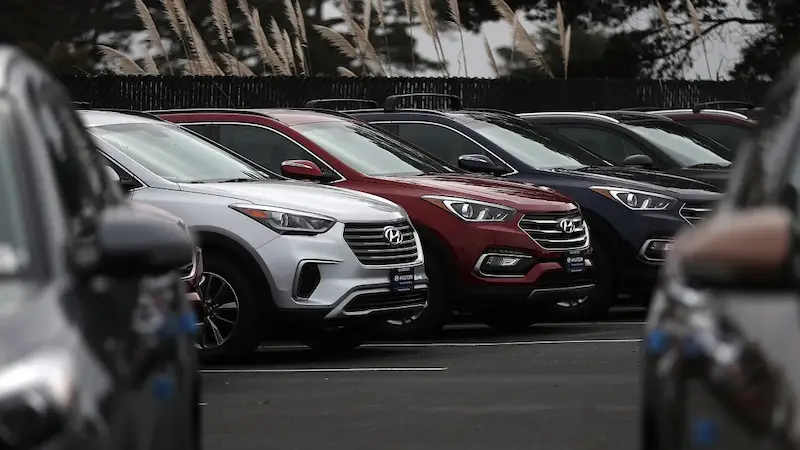


Hyundai and Kia models have experienced a drastic increase in thefts, with rates surging over 1,000% in just three years. This surge is believed to be driven by the spread of a car theft method through social media. According to data from the Highway Loss Data Institute (HLDI), theft insurance claims for vulnerable Hyundais and Kias increased more than 1000% between the first half of 2020 and the first half of 2023.
In the first half of 2020, the theft rate for insured Hyundais and Kias was around 1.6 per 1,000 vehicles, similar to other car makes. However, by the first half of 2023, this figure had surged to 11.2 per 1,000, while the theft rate for other vehicle brands remained relatively stable. During this period, Hyundai and Kia theft claims were more than seven times higher compared to cars from other manufacturers, according to HLDI.
Certain older models of Hyundai and Kia vehicles made between 2015 and 2019 are particularly vulnerable to theft. Less expensive versions of the Hyundai Santa Fe and Tucson, as well as the Kia Forte and Sportage, equipped with turn-key ignitions are twice as likely to be stolen as other vehicles of a similar age. These models lack some basic anti-theft technology, such as electronic immobilizers, which are included in most other vehicles of that time.
The method of theft that has contributed to the surge in stolen Hyundais and Kias involves using the metal tip of a USB cable to start the car. This technique spread rapidly on social media platforms, especially TikTok, popularizing it among potential car thieves.
Additionally, vandalism claims for these targeted Hyundais and Kias skyrocketed to three times the rate of other vehicles in the market during the first half of 2023. This increase is likely due to failed theft attempts. HLDI pointed out that media coverage, alongside the initial spread on social media, has contributed to raising awareness about the vulnerability of these vehicles.
In response to the rising theft rates, Hyundai and Kia reached a $200 million settlement earlier this year with up to 9 million vehicle owners. The settlement addressed claims that the automakers did not do enough to ensure the security of their vehicles. As part of the settlement, the companies agreed to make payments for stolen and damaged vehicles, install anti-theft software, and cover the costs of other theft-prevention measures.
Some auto insurers in certain markets have even refused to cover these older Hyundai and Kia models due to their vulnerability to theft. Both automakers have taken steps to provide anti-theft equipment and technologies to their customers and have collaborated with local police to distribute steering locks to owners of these affected models. They encourage eligible customers to install the software upgrades rolled out earlier this year to protect their vehicles.
The rapid increase in theft rates highlights the importance of ensuring consumer awareness and offering remedies to protect vulnerable vehicles. With the implementation of anti-theft measures and ongoing efforts to address the issue, Hyundai and Kia aim to curb the rising trend of car theft among their models.