


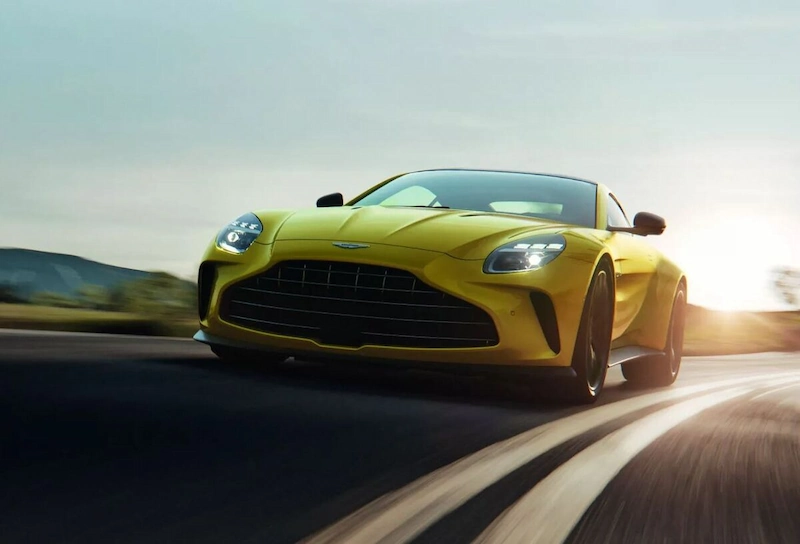


In the first quarter of the year, Aston Martin Lagonda Global Holdings Plc experienced a significant drop in sales of its luxury cars as the company phased out production of its older Vantage sports car model. The British carmaker reported a 26% decline in car shipments compared to the previous year, with a total of 945 cars delivered. This decline in sales contributed to a decrease in revenue and adjusted profit, both of which fell short of analysts' expectations. As a result, Aston Martin's shares saw a sharp decline, marking the biggest drop in six months.
Executive Chairman Lawrence Stroll attributed the sales slump to the completion of production and delivery of some of Aston Martin’s key models. In response to this downturn, the company is gearing up to introduce new models, including updated versions of the Vantage and the DBX707 SUV, which are expected to hit the market soon. These new models are crucial for Aston Martin to streamline costs and drive growth, according to Goldman Sachs analyst George Galliers, who revised down his forecasts in light of the sales data.
Despite the challenging sales figures, Aston Martin has maintained its guidance for the year as it looks ahead to the launch of new models. The company recently confirmed plans to unveil a new sports car featuring a V12 engine, aligning with its strategy to introduce a more diverse range of models at a faster pace. Additionally, a special model targeted at high-net-worth individuals is in the pipeline for later this year. Aston Martin’s average selling price per car in the first quarter was £253,000, marking a 19% increase from the same period in the previous year.
To steer the company through its ongoing transformation, former Bentley Motors Ltd. chief Adrian Hallmark is set to join Aston Martin as CEO by October 1, succeeding the current CEO Amedeo Felisa. This leadership transition signals a new chapter for the luxury carmaker as it navigates challenges in the rapidly evolving automotive industry. Embracing a shift towards electrification, Aston Martin has postponed the launch of its first all-electric car to 2026 and is focusing on developing a range of plug-in hybrids to facilitate the transition to electric vehicles.
In a separate development, Lawrence Stroll, who also owns the Aston Martin Formula 1 (F1) team, is reportedly in preliminary discussions to sell a minority stake in the F1 team. This potential sale aims to provide additional support for both the F1 team and the luxury car manufacturer, further underscoring Stroll’s commitment to strengthening Aston Martin’s position in the competitive automotive and motorsport sectors.