


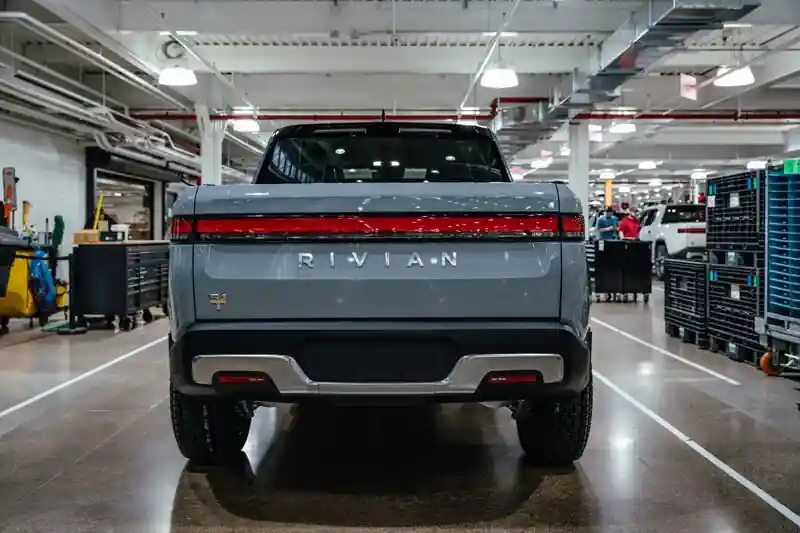


Rivian Automotive, the electric vehicle startup backed by Amazon, is facing a challenging time as investors lose faith in its ability to compete in a crowded market. The company's market capitalization, which once exceeded $150 billion, has now shrunk to less than $12 billion, representing a nearly 93% drop in its stock value. As a result, the firm's stock price is now worth only slightly more than its cash reserves.
Like many other EV startups, Rivian lacks the cost advantages that come with large-scale production, and it is facing aggressive competition from traditional car companies that are making a concerted push into the market. Additionally, the recent price cuts by Tesla are putting pressure on other EV manufacturers. The Federal Reserve's tightening of monetary policy has also made it more difficult for Rivian to raise capital to fund its expansion.
Chief Investment Officer at SPEAR Invest, Ivana Delevska, noted that the market is not willing to assign any value to Rivian's growth prospects. Despite having cash reserves of $11.6 billion and debt of $1.6 billion, the company still needs to invest several billion dollars to prove its business model. Some analysts are starting to lose their bullish stance on the company. Last month, RBC Capital Markets analyst Tom Narayan downgraded Rivian's rating to sector perform from outperform, citing concerns over profit margins. Piper Sandler's Alexander Potter also downgraded the company on April 14.
Revenue projections for the first quarter have fallen by more than 25% since the end of December, and analysts now expect sales of around $650 million when Rivian reports in May. This is an increase from $95 million in the same period last year, but it is still a far cry from Rivian's lofty expectations.
The current market conditions are challenging for the sale of expensive EV pickup trucks and sport-utility vehicles, which are the types of vehicles Rivian builds. Additionally, soaring interest rates have made auto loans less attractive. The company's R1T pickup truck starts at $73,000, whereas Ford's electric version of the popular F-150 model starts at around $60,000.
Brian Mulberry, Client Portfolio Manager at Zacks Investment Management, said that investors appear to recognize that Rivian is likely a niche brand for now, until it can achieve better production and sales margins. Piper Sandler's Potter estimates that Rivian will need to raise more than $4 billion to fund growth beyond 2025.
"Rivian shouldn't abandon its strategy, but until funding is addressed, we think Rivian will keep trading at book value," he said.
Meanwhile, Meta Platforms Inc. has seen a 173% surge in its stock price from a seven-year low in November, making its stock more expensive. The Facebook parent company, which traded at a record low multiple of 8.1 times forward earnings at the end of last year, is now trading at 18 times, according to Bloomberg-compiled data. However, it is still one of the cheapest big tech stocks, along with Alphabet Inc.