


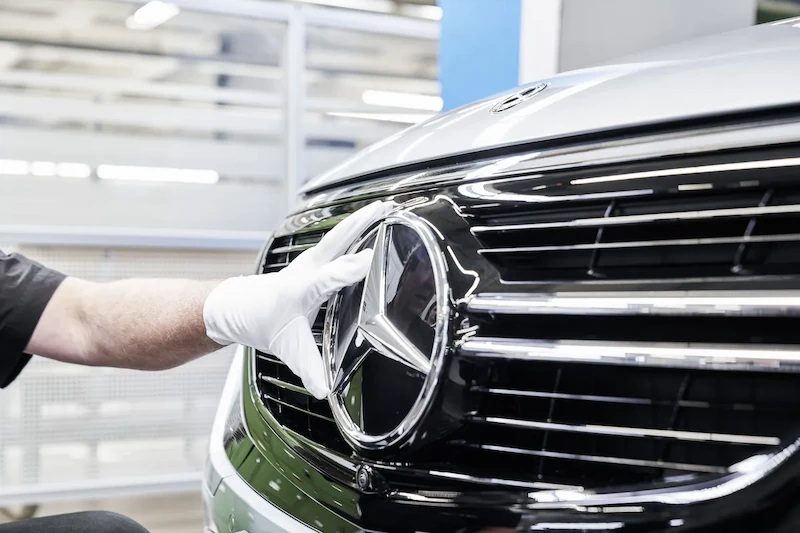


Inherited from centuries past, Gerhardi Kunststofftechnik GmbH, a German plastics manufacturer that once thrived on supplying prestigious carmakers like Mercedes-Benz, now faces bankruptcy amidst Europe's automotive slump. This downfall is not unique to Gerhardi; small manufacturers across the continent are grappling with the repercussions of automakers scaling back production in response to sluggish sales and the ongoing shift towards electric vehicles.
Amidst this turmoil, companies like France's Forvia SE, a supplier to automotive giants such as Stellantis and Volkswagen, are being forced to downsize as traditional products become obsolete in the era of electric mobility. Meanwhile, those that pivoted towards electric vehicle components, like Sweden's Northvolt AB, now find themselves in dire straits due to subsidy cuts and plummeting sales.
The European automotive parts industry, employing 1.7 million workers and investing billions in research and development each year, is facing unprecedented challenges. McKinsey forecasts that one in five suppliers will incur losses next year, with two-thirds already experiencing slim profit margins.
The bleak landscape extends to companies like Germany's Webasto SE, saddled with substantial debt after gearing up for a surge in electric vehicle demand, and the ripple effects are felt as battery factory projects across the region face delays and cancellations. In Friedrichshafen, Germany, ZF Friedrichshafen's looming workforce reductions threaten the fabric of the local community, placing other businesses that depend on the company in jeopardy.
Italy is not spared from the crisis, as Stellantis' production halts reverberate through the supply chain, leading to the collapse of companies like Delgrosso and forcing others, like CLN-Coils Lamiere Nastri SpA, to undergo restructuring. The domino effect extends to various suppliers, from electronics manufacturers to die-casting parts suppliers, all grappling with diminished orders and financial hardships.
As giants like Ford and Volkswagen announce further job cuts and restructuring efforts, the future remains uncertain for the backbone of the European automotive industry. Marco Gay of the Industrial Union of Turin articulates the apprehension felt by regions reliant on this sector, emphasizing the potential loss of jobs, prestige, and historical significance tied to its operations. Amidst this industry upheaval, hope hinges on a revival in car sales, yet with challenges looming large, the path to recovery remains arduous for Europe's automotive supply chain.