


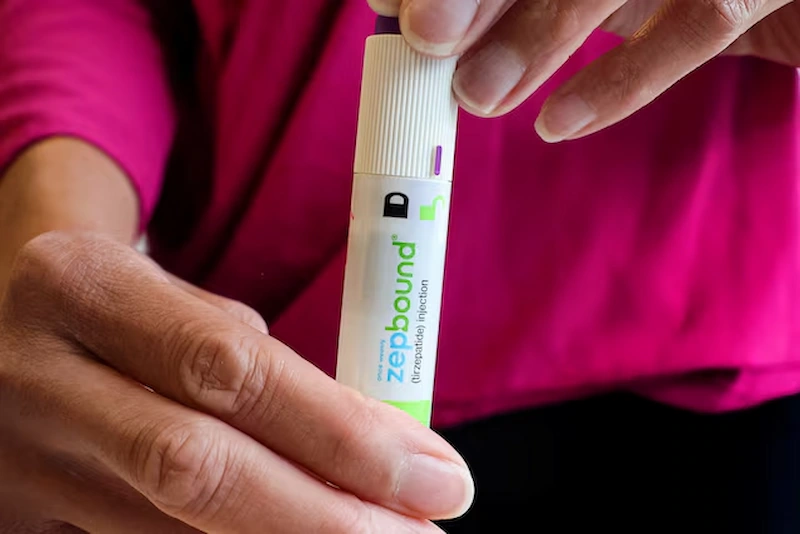


In a recent development, a federal judge has denied compounding pharmacies the authorization to continue producing generic versions of Eli Lilly's sought-after weight-loss and diabetes medications, Zepbound and Mounjaro, in the U.S. This decision comes as a response to a lawsuit filed by a compounding industry group against the FDA's decision in 2021 that there was no longer a scarcity of the active ingredient, tirzepatide, in these drugs.
Previously, compounders were permitted to manufacture copies of the obesity drugs only during a documented shortage of the key components. However, the recent ruling mandates an immediate halt to the production of compounded tirzepatide by smaller compounding pharmacies, while larger outsourcing facilities have been given until March 19 to cease their production.
The Outsourcing Facility Association, representing the compounding industry, estimated that millions of individuals were relying on compounded tirzepatide after the FDA's earlier shortage designation. However, with the shortage now deemed resolved, the FDA's guidelines prohibit the continued production of generic versions of commercially available drugs.
In response, the compounders contested the FDA's decision, claiming it was solely based on information provided by Lilly and disregarded the ongoing difficulty patients faced in accessing these medications. Their plea for a preliminary injunction, preventing the FDA from enforcing actions against them during the ongoing legal battle, was rebuffed by U.S. District Judge Mark Pittman in a sealed order issued on Wednesday.
Following the judge's decision, the Outsourcing Facility Association expressed dismay and announced they were exploring their options in response. Meanwhile, Lilly welcomed the ruling as a conclusion to the mass compounding of their drugs, vowing to collaborate with regulatory bodies and law enforcement to curb the sale of unauthorized copies.
The FDA's recent move removing competing drugs from Novo Nordisk from the shortage list has also faced legal challenges from compounders, reflecting the broader implications of these decisions across the pharmaceutical landscape. While insurance typically covers Lilly's and Novo's diabetes medications, the weight-loss drugs often go uncovered, prompting many patients to seek cheaper compounded alternatives out-of-pocket.