


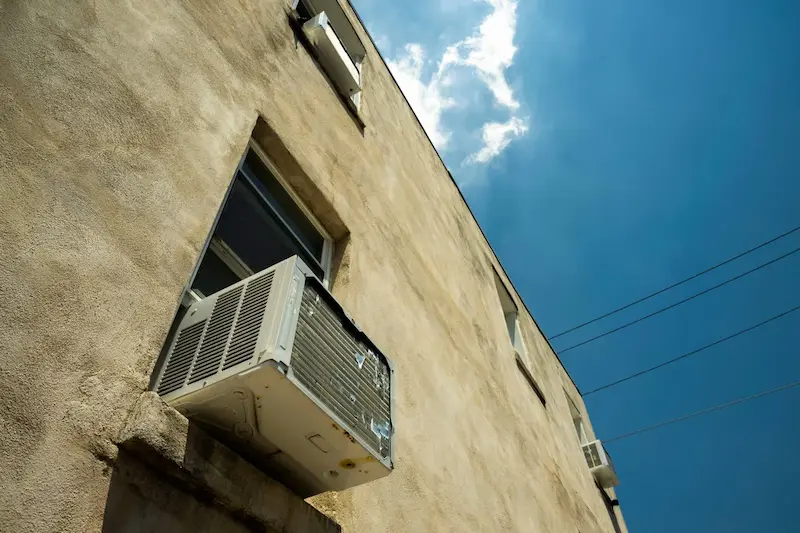


As summer settles in with a heavy hand, parts of the United States are bracing for a serious spike in electricity usage, and it's not a mild bump either. People across the mid-Atlantic and into the Midwest are reaching for the thermostat as a scorching heat wave starts pressing down. And it's this intense demand for cool air—air that doesn’t come cheap—that’s sending energy consumption on the country’s largest power grid to levels it hasn’t seen in more than a decade.
The PJM Interconnection grid, which quietly supports the daily lives of nearly one in five Americans—from the government offices of Washington, D.C., to the farmlands of Illinois—is now staring at a steep demand curve. By the time Monday afternoon rolls around, projections show power usage could hit 158.5 gigawatts right around 5 p.m. That number might not mean much at first glance, but it’s the kind of spike that grabs attention behind the scenes. If it plays out that way, it would be the grid’s busiest hour since July 2013.
To put it into perspective, the grid’s all-time peak came in the summer of 2006, when it nearly hit 165.6 gigawatts. We’re not quite there yet, but we’re inching closer than anyone expected this early in the season. For comparison, the forecasted demand had been more conservative, but heat has a way of changing plans. Washington, D.C. alone is staring down the barrel of 100 degrees Fahrenheit on Monday, a full thirteen degrees hotter than what’s normal for this time of year.
A lot of this growing demand is being driven not just by the weather, but by structural shifts in how and where people use energy. After years of stagnant growth—thanks largely to things like LED lights and smarter appliances—demand is creeping back up. And not slowly either. A big part of that shift is coming from the rise of massive data centers, particularly in Northern Virginia, which now eats up more electricity than anyone would’ve imagined a decade ago.
Naturally, as usage rises, prices tend to follow. Monday’s wholesale electricity prices shot up, averaging about $200 per megawatt-hour in the market—a huge leap from Friday’s going rate. That’s not just a number on a trader’s screen; it eventually filters down to homes and businesses. According to Gary Cunningham at Tradition Energy, prices jumped nearly five times over the weekend. He notes that even though the worst of the heat is coming early in the season—before the true peak of summer—the grid is still under pressure.
He paints a picture of wide-ranging heat: from the central plains sweeping all the way to New York City, metropolitan areas are seeing temperatures that flirt with records. But while those numbers might not shatter all-time highs just yet, they are certainly enough to stir up the market. The eastern side of the grid, in particular, is feeling the squeeze. Places along the East Coast, which lean heavily on PJM’s supply, are in for a hotter and more expensive ride than their neighbors farther west.
All this comes at a moment when people are just starting to take stock of how fragile and dynamic the country’s energy needs have become. A single hot week can trigger massive shifts—not only in demand but in cost—and there’s no sign that these patterns are about to ease. As cities grow, tech expands, and climate trends become harder to ignore, the grid has little choice but to stretch and adapt, even when it’s already running close to the edge.