


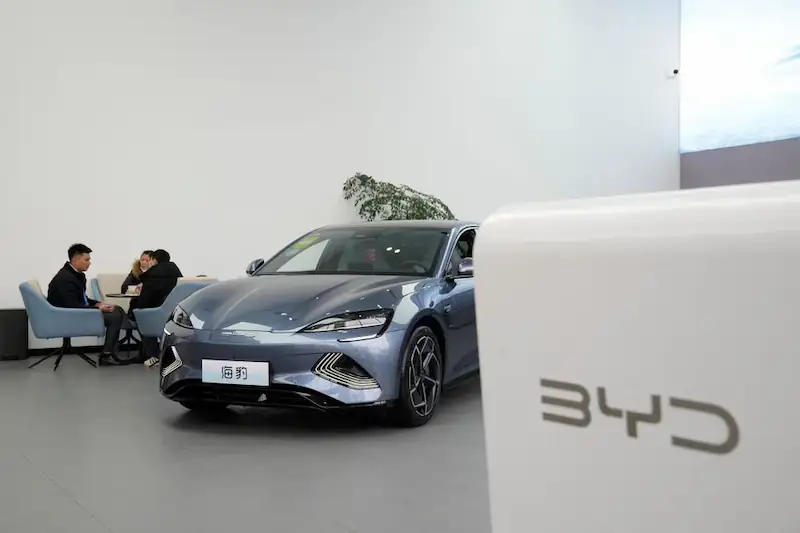


China's Great Wall Motor has publicly accused BYD of manufacturing hybrid models that don't meet China's emissions standards. As a result of Thursday's allegations, shares of BYD dropped 5.4%. Executives from the former company revealed that they hadn't just tested the cars themselves but had also hired an independent laboratory to carry out tests.
However, BYD has a lot at stake. In the first four months of this year, the company recorded close to 400,000 hybrid deliveries. This more than doubled the company's total sales and helped it quintuple its net profit in Q1.
Executive whistleblowing can hurt the industry as a whole. Some onlookers noted that it was reminiscent of some of the less inspiring moments in the history of the technology sector. Commoditisation and cut-throat competition in that sector has prompted some companies to adopt tactics that backfired in the end. For example, Tencent and Qihoo forced users to opt for either Tencent's messaging service or Qihoo's anti-virus software in 2010. As a result, both companies received bad press and unwanted attention from regulators.
BYD is currently one of the world's leading sellers of electric car brands. According to industry analysts, it is also the top-selling electric car marque. In the year from April 2017 to April 2018, it had sold nearly 15,000 electric passenger cars outside China. However, Great Wall's allegations may dent BYD's ambitions and potentially harm the image of Chinese automotive firms as they try to branch out into global markets. In the same period, Great Wall sold 73,789 cars, nearly a quarter of all sales, to overseas markets.