


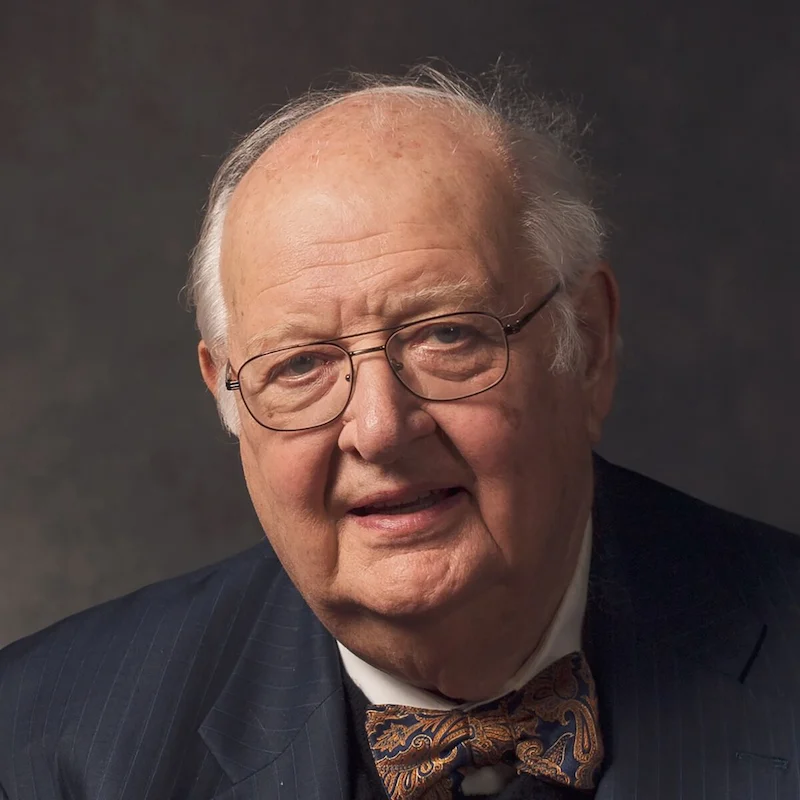


Angus Deaton, the renowned economist and Nobel laureate, has recently released a new book titled "Economics in America," where he takes aim at his own profession and some of its most celebrated figures. Instead of offering a celebratory tribute to the wonders of economics, Deaton presents a scathing critique. He argues that economists' relentless focus on markets and efficiency, coupled with their dogmatic attachment to theories even after they have been disproven, have had life-or-death consequences for millions of people. With the book set to be released on October 3, it has already sparked a heated debate, pitting Deaton against his high-profile colleague, Larry Summers.
Deaton accuses Summers, a former US Treasury Secretary, and president of Harvard, along with a small group of influential economists, of contributing to the Asian financial crisis of the late 1990s and the 2008 global financial crisis. According to Deaton, they did so by recklessly promoting the easing of restrictions on speculative capital flows around the world. While he still maintains a friendship with Summers and praises his intellect, Deaton claims that his own views have shifted, highlighting the role of economists in these crises.
However, Summers dismisses Deaton's accusations as a "sweeping left-wing assertion rather than serious analysis." He points out that he was not yet in his role as Treasury Secretary during the Asian financial crisis. While acknowledging the need for progress in financial stability, Summers argues against viewing all restrictions as inherently good or bad, suggesting that Deaton's stance oversimplifies the complexities of the field.
Deaton's central complaint is not solely directed at Summers. He believes that economics as a discipline has become detached from its original mission of studying human welfare, as established by influential figures such as Adam Smith and John Locke. In Deaton's opinion, economists have become fixated on markets and money, losing sight of the broader impact on people's lives. He specifically highlights the epidemic of deaths from alcoholism, opioid overdoses, and suicide, primarily affecting the American working class. According to Deaton, economists' enthusiasm for globalization, with its emphasis on unrestricted movement of goods, capital, and jobs, played a significant role in exacerbating these issues.
Deaton's concerns extend beyond the realm of theoretical debate. He sees the consequences of economics gone astray in America's current economic recovery from the pandemic recession. Despite pundits touting America's triumph over Europe, Deaton points to the alarming decline in life expectancy and the increasing rate of suicides in the United States. According to a recent study by Deaton and his wife and co-author, Anne Case, the gap in life expectancy between college graduates and the rest of the population has widened, reaching 8.5 years in 2021.
Deaton does offer some glimmers of hope amidst his criticism. He is encouraged by the resurgence of the American labor movement, particularly in light of the ongoing United Auto Workers strike and the fight for better jobs and wages. Additionally, he sees potential in manufacturing investment driven by the Biden administration's industrial policies, which could help reverse the distressing trends documented by Deaton and Case. However, he acknowledges that meaningful change will take time and admits to not having all the answers, emphasizing that economists' quick-fix solutions often do more harm than good.
Deaton argues that the profession's focus on easily quantifiable data and real-world studies has led economists away from pondering the significant questions surrounding economic distress prevention. He calls for a reconsideration of ideas that may be considered heretical within the field, such as controlling immigration or implementing tariffs to preserve jobs. He suggests a reconfiguration of measures of human success beyond monetary terms, emphasizing the importance of factors like job satisfaction, community well-being, and democratic values.
One of the fundamental problems Deaton identifies in economics is the bipartisan tendency to measure human well-being solely in monetary terms. He argues that this approach overlooks the other aspects of life that hold significance, from the confidence and meaning derived from work to the importance of living in a functional and democratic community. Deaton urges economists to broaden their perspective and abandon their fixation on money as the sole measure of human well-being.