


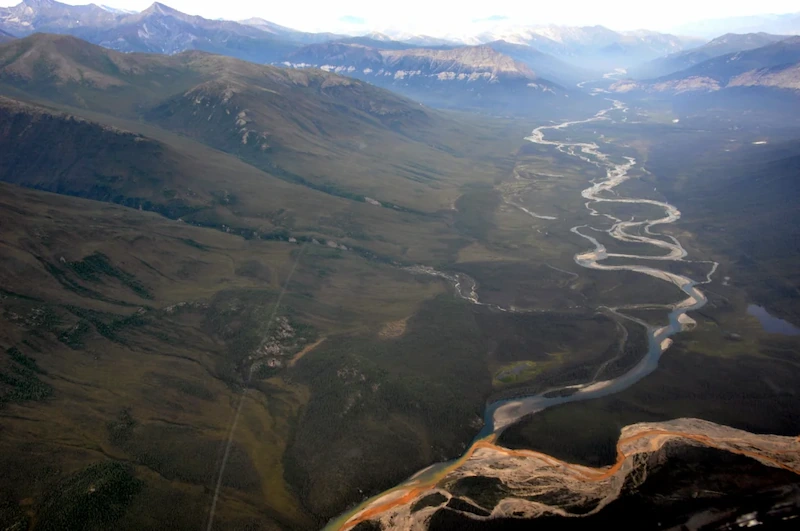


Alaska's rivers and streams are undergoing a worrisome transformation, turning from clear blue to cloudy orange, according to a recent study. This change has been attributed to toxic metals like iron, copper, nickel, zinc, and lead which are surfacing from thawing permafrost. The National Park Service, the University of California at Davis, and the US Geological Survey led the study, which examined 75 different sites in the Brooks Range of Alaska.
Over the past decade, various sites in this range have shown signs of rusting and discoloration. The study, published in Communications: Earth & Environment, suggests the root cause of this new hue is the exposure of water to minerals in the ground, some toxic, which were previously hidden beneath layers of permafrost.
Brett Poulin, a research contributor and environmental toxicology professor at UC Davis, expressed his shock at the findings, explaining that although such discolorations are commonplace in regions like California and Appalachia due to historical mining, it was alarming to witness this in isolated wilderness areas, far removed from any mining sites.
Arctic soil is naturally rich in metals such as mercury, organic carbon, and nutrients, all securely held in permafrost,. As this frost melts due to high temperatures, these elements begin to mix with nearby water sources. The Arctic, currently warming at a rate four times faster than other parts of the world, offers a prime example of this worrisome course.
Utilizing satellite imagery, researchers noticed the color change was most dramatic between 2017 and 2018, coinciding with the hottest years on record. The implications of this could be dire for native aquatic life, with links already being made to striking declines in certain species. This spells trouble for communities that depend on these waterways for sustenance, such as fishing and drinking water.
However, Alaska isn't the sole region suffering from these effects. Colorado's Rocky Mountains are facing similar problems, as per another study released recently. Elevated levels of copper, zinc and other metals have been recorded in 22 mountain streams over the past three decades. Factors include reduced stream flow and, worryingly, thawing of the frozen ground which causes minerals to leach from the bedrock.
Similar cases have been reported beyond the US borders. Increases in metal concentrations have been documented in rivers and streams in the Chilean Andes, the European Alps, and Spain's Pyrenees. While some of these areas have a long history of pollution due to mining activity, the hike in metal concentrations raises serious questions about the long-lasting impact of climate change on mountainous water sources.
The Alaskan research team plans to persist with their investigations, in order to pinpoint the origin of the metals, and measure the potential detriment to both human life and local wildlife.