


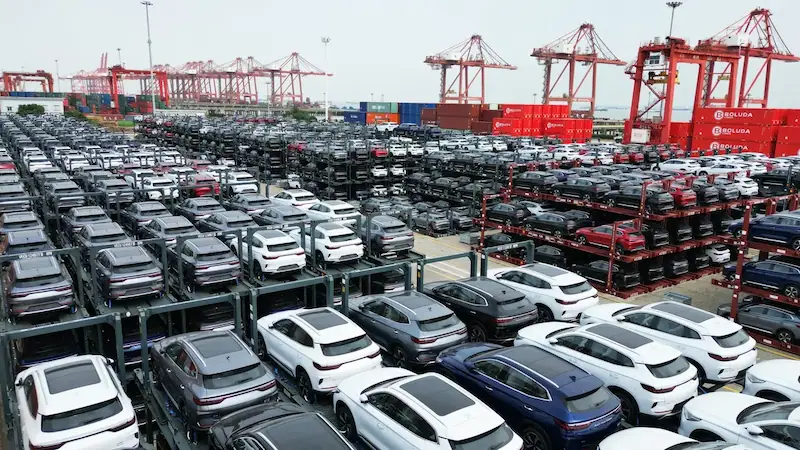


Amidst growing tensions over potential tariffs on electric vehicles, the European Union and China are set to continue negotiations in search of a collaborative solution, even if member states vote in favor of imposing levies. Sources familiar with the matter revealed that a provision will be included in the draft legislation to extend talks, with the voting expected to take place by early next month following a recent agreement to escalate discussions between the EU and China.
Following a meeting between the EU's trade commissioner, Valdis Dombrovskis, and Chinese Commerce Minister Wang Wentao, the possibility of establishing a mechanism to regulate export prices and volumes has been explored with the aim of circumventing anti-subsidy tariffs. Despite China's proposals being rejected by the EU, both parties are committed to finding a resolution that adheres to WTO regulations, addresses the impact of Chinese subsidies, and can be monitored for compliance.
China has dismissed the anti-subsidies probe as protectionist, employing a strategy of enticing member states with promises of increased investment in car plants while simultaneously threatening tariffs on various products if the levies proceed, including cars with large engines. While there is confidence within EU circles that the tariffs will be approved, uncertainties loom as countries like Spain and Germany express divergent opinions on the matter.
German Economy Minister Robert Habeck voiced concerns about the potential escalation of a tariff war with China, showcasing hesitation towards countervailing duties, a sentiment shared by others within the EU. Germany is reportedly leaning towards abstaining from the vote, wary of the repercussions on trade relations with both China and the US, especially under a potential second term of Donald Trump.
Certain member states, such as Italy and Denmark - a key pork supplier to China - have indicated support for imposing tariffs to uphold international trade rules. Danish Prime Minister Mette Frederiksen highlighted the necessity for the EU to react to China's actions that initially triggered the current situation.
The upcoming EU vote could lead to tariffs of up to approximately 35% on electric vehicles for a duration of five years, in addition to the existing 10% rate. Ultimately, the decision will require a qualified majority to oppose the move, comprising 15 member states representing 65% of the bloc's population. The outcome of the vote will not only impact trade relations with China but will also reflect the EU's stance on upholding fair trade practices globally.