


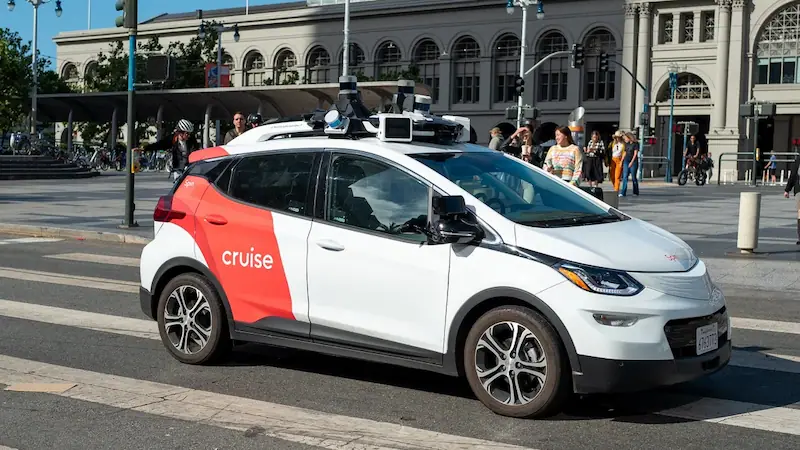


In a strategic shift, General Motors (GM) has announced the discontinuation of its efforts to develop a fleet of driverless taxis, redirecting their focus towards driver-assistance features that necessitate a human driver ready to take control of the vehicle. The decision comes as GM acknowledges the substantial time and resources required to scale the robotaxi business, especially in the face of an increasingly competitive market.
GM had been spearheading its robotaxi endeavors through Cruise, a company in which GM holds a 90% stake. The workforce previously dedicated to self-driving technology at Cruise will now transition to GM to concentrate on advancing driver-assist features for privately-owned vehicles. Notably, this shift will see a greater emphasis on technologies like Super Cruise, a hands-off and eyes-on driving feature available on over 20 GM models.
By streamlining its focus towards driver-assistance technologies, GM forecasts a significant annual cost reduction of $1 billion post-implementation. The company cited the substantial investment exceeding $10 billion required for developing a robotaxi fleet as a major factor in its decision to pivot away from this avenue.
Competing in the robotaxi sector against players like Google's Waymo and ride-hailing services utilizing human drivers posed challenges for GM. Moreover, Tesla's recent unveiling of plans for autonomous vehicles without traditional controls, along with a robotaxi service, further accentuated the competitive landscape.
Following a critical incident in October 2023, where a self-driving taxi operated by Cruise in San Francisco was involved in an accident with a pedestrian, regulatory scrutiny intensified. Subsequently, GM halted Cruise's operations nationwide and incurred penalties, including a $500,000 fine as part of a resolution with federal authorities.
Despite the step back from pursuing a robotaxi service, GM reassured stakeholders that autonomous vehicles remain integral to its long-term strategy. CEO Mary Barra emphasized that integrating Cruise's autonomous technology expertise with GM's driver-assist capabilities will bolster the company's offerings to consumers and drive forward their vision for the future of transportation.
Dave Richardson, GM's senior vice president of software and services engineering, reiterated the company's commitment to autonomous driving, highlighting the potential benefits such as enhanced safety, improved traffic management, accessibility, and reduced driver stress. The decision signifies a recalibration of priorities within GM's autonomous vehicle development roadmap, aligning resources towards innovations that align more closely with consumer demands and regulatory considerations.