




April was not kind to the UK economy. What looked like a steady if unspectacular recovery suddenly took a sharp step backwards. Numbers released on Thursday showed that Britain’s GDP shrank by 0.3% in April compared to the previous month—a steeper drop than most economists had predicted. It’s the worst single-month performance since October 2023.
What’s behind the slump? The picture is complicated, but several storm fronts collided at once.
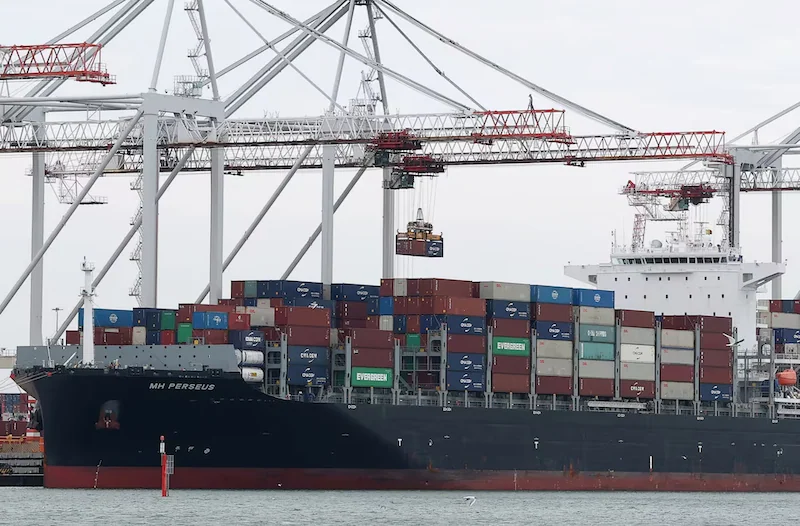
One of the biggest hits came from across the Atlantic. The shockwaves from U.S. President Donald Trump’s sweeping tariff announcements were felt immediately, as British exports to the States tumbled by £2 billion—the sharpest monthly drop in trade with the U.S. since records began nearly three decades ago. Despite the UK’s special trade agreement that softened the blow for some sectors, the remaining 10% levy still stung.
But this wasn’t just about global trade friction. Back home, there was a noticeable chill in the property sector. A short-lived tax break on house purchases ended in March, and the market snapped shut almost overnight. Legal and real estate services, both essential parts of the UK's service-heavy economy, dropped off significantly, accounting for most of the contraction.
Finance Minister Rachel Reeves didn’t try to sugarcoat the data, calling the figures “clearly disappointing.” Just a day before the release, she had laid out a multi-year fiscal plan dividing up trillions in government spending—an awkward contrast to the economic stumble that followed.
The services sector, which powers much of Britain's economic engine, was down 0.4%. Car makers, caught in the crossfire of weakening demand and disrupted exports, reported softer output. Even manufacturing faltered, pulling down the industrial output figure by 0.6%.
Interestingly, construction stood out as the only sector with a glimmer of growth, posting a 0.9% rise. But one green shoot isn’t enough to lift the forest. The broader view is still gloomy.
Market reactions were swift. The pound dipped, falling nearly half a cent against the dollar. Government bond yields also slipped to a one-month low, signaling investor caution.
There’s also growing concern about patterns in the data. Some economists have noticed a recurring trend since the pandemic: growth perks up early in the year, then fades as the months wear on. Whether that’s a statistical quirk or something deeper, like consumer fatigue or seasonal misjudgments, remains up for debate.
The Bank of England, having recently upgraded its 2025 outlook, now faces a fresh dilemma. With inflation still stubborn and growth looking shaky, it may sit tight on rates for now. But many are betting that August could bring a change, especially if the weakness persists.
Business sentiment isn't helping much either. Surveys suggest that hiring and investment plans are being scaled back, largely due to steep labor cost hikes introduced last autumn. With costs climbing and demand unsure, many firms are playing defense.
Trade numbers rounded out the dismal month. The UK's goods trade deficit ballooned to £23.2 billion in April—far above expectations and a sharp increase from March. That's not the kind of momentum policymakers were hoping for.
All in all, April served as a stark reminder that Britain’s economic recovery is still balancing on a thin edge. One jolt—whether from Washington, Beijing, or Westminster—can tip the scales in a hurry.