


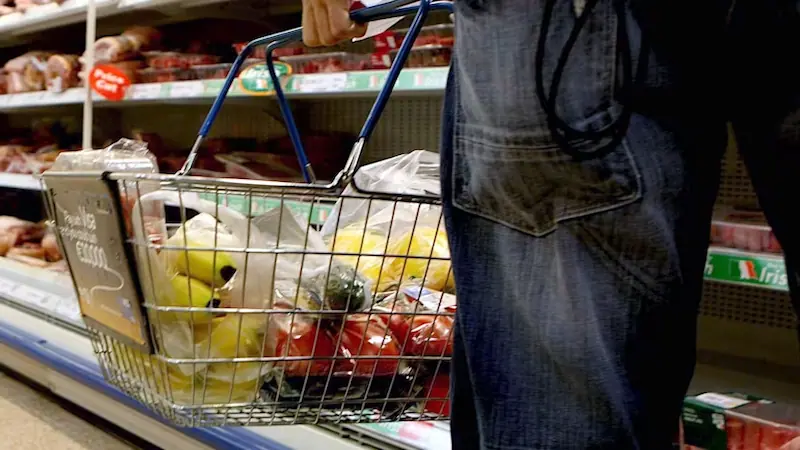


The government is moving to put supermarkets under real pressure to help tackle one of the country’s biggest long-term health issues — obesity. It’s not another vague health campaign with nice slogans, but a solid proposal with financial consequences for those who don’t play ball. If grocery stores don’t start selling more nutritious food and show progress through actual data, they could face fines. Yes, real penalties — not just warnings or a strongly worded letter.
The core of the strategy is a “healthy food standard,” which the government says will be rolled out across England. It’s part of a decade-long effort to deal with diet-related health problems. Basically, the goal is to make it harder for unhealthy food to dominate shelves and shopping baskets — and easier for people to walk out of a store with a cart full of healthier choices, even if they didn’t come in planning that.
The plan doesn’t tell supermarkets exactly how to meet these targets — they have flexibility. They might tweak recipes to be healthier, offer better prices on nutritious products, or reorganize store layouts so fruit and veg are more front and center. It’s not about banning chocolate or removing crisps, but shifting the balance, nudging people toward better options.
Nesta, the innovation agency that helped shape the plan, crunched through a mountain of data — 36 million supermarket transactions. That gave them a “basket health score” of 67 out of 100 for the average shop. Their target? A score of 69. It might sound like a tiny change, but their modelling suggests that just those two extra points could help reduce obesity by 20% over three years. That’s more than 3 million people getting to a healthier weight.
Wes Streeting, the Health Secretary, was blunt about it: small changes in calorie intake can make a huge difference. “If everyone who is overweight reduced their intake by 200 calories a day — say, skipping a bottle of fizzy drink — obesity would be halved,” he said. The aim is to make this generation of kids the healthiest ever, and that starts in the shopping aisles.
Supermarkets will have to start reporting their data. Eventually, this won’t be optional. By the end of this Parliament in 2029, big food retailers will be required to report what they’re selling and how healthy it is. Targets will follow. If they fall short, fines are on the table.
This idea isn’t coming out of nowhere. Several top supermarket bosses are already on board. Tesco CEO Ken Murphy gave it a nod of approval, and Sainsbury’s Simon Roberts said it’s a “positive step” toward helping people eat better.
Health campaigners are calling it a major turning point. Katharine Jenner from the Obesity Health Alliance said it’s exactly the kind of action needed — and long overdue. Anna Taylor from the Food Foundation described mandatory reporting as a “game changer,” while Sonia Pombo of Action on Salt pointed out something many feel: the food system should take more responsibility. It’s too much to expect individuals to fight off every unhealthy choice when the entire system is geared against them.
Environment Secretary Steve Reed added that this isn't just about public health — it’s also about supporting the UK’s food sector to thrive in a healthier direction. The government wants to link this plan with a broader food strategy that brings everyone into the conversation: from farmers to food manufacturers, retailers to health leaders.
What’s clear is that this isn’t business as usual. Supermarkets will be expected to step up — or pay up.