


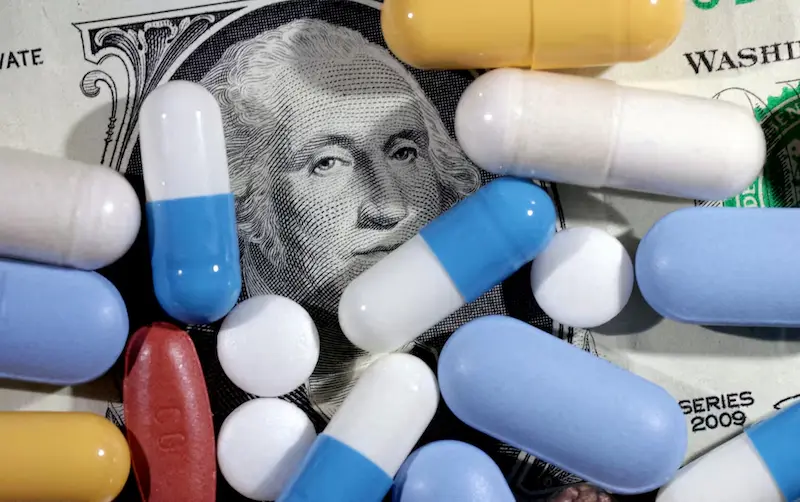


President Donald Trump has once again set his sights on one of his longest-standing targets: the high cost of prescription drugs in the U.S. But this time, he’s not just talking. He's gone straight to the source—17 of the world’s most powerful pharmaceutical companies—with a blunt demand: bring U.S. drug prices in line with what people pay in other countries, or face serious consequences.
The letters—sent to heavyweights like Pfizer, Eli Lilly, Novo Nordisk, and AbbVie—didn’t mince words. Trump gave them a hard deadline of 60 days. Cut the prices, especially what Medicaid is being charged for current treatments, and promise that future drugs won’t debut at inflated American prices. If they don’t comply, Trump warned, he’s ready to “use every tool in our arsenal” to rein them in.
This isn’t Trump’s first rodeo on the issue. He’s been vocal for years about the staggering difference between U.S. drug prices and what people pay in Canada, Europe, or anywhere else. During his first term, he even signed an executive order aimed at forcing a similar price-match system, but that effort fizzled after legal pushback. This time, he’s looking to tie drug prices to international rates through trade policy—and use that leverage to force savings back to American consumers.
Wall Street took notice quickly. Shares of Eli Lilly dropped over 2% by mid-afternoon in New York. Other drugmakers didn’t exactly rally either. The pharmaceutical industry has long argued that tying U.S. prices to foreign markets would hurt innovation and derail research efforts. Their position is simple: if the potential profit goes down, so does the incentive to invest in risky, expensive drug development.
In response, some companies stuck to their usual script. A Novo Nordisk spokesperson gave a standard corporate line: they’re committed to improving access and affordability. But there are cracks showing. Earlier this week, AstraZeneca’s CEO, Pascal Soriot, admitted that the status quo simply isn’t sustainable anymore.
What Trump wants now goes beyond just government negotiations. He’s asking drugmakers to sell some medications directly to patients at the same rates they give insurance middlemen. It’s a bold ask, one that could shake up the entire structure of how drugs are priced and sold in the U.S.
Still, it’s unclear how much impact this will actually have on what Americans pay at the pharmacy counter. Many of the drugs affected are newly launched, not the chronic-care meds millions of people rely on daily. And even now, drugmakers already offer steep discounts to Medicaid just to stay in the program.
But one thing is clear: Trump is betting that his aggressive approach will strike a nerve with voters. Drug prices are consistently among the top concerns for American families, and Trump knows it. By taking the fight directly to Big Pharma, he’s framing himself as the one willing to say what everyone’s been thinking—that Americans shouldn’t have to pay five or ten times more than someone in France or Japan for the same pill.
In the letter he posted publicly—addressed to Lilly CEO Dave Ricks—Trump called the current pricing system “vastly inflated” and demanded “immediate relief.” Whether the industry bends or digs in its heels remains to be seen. But one thing’s for sure: the heat just got turned all the way up.