


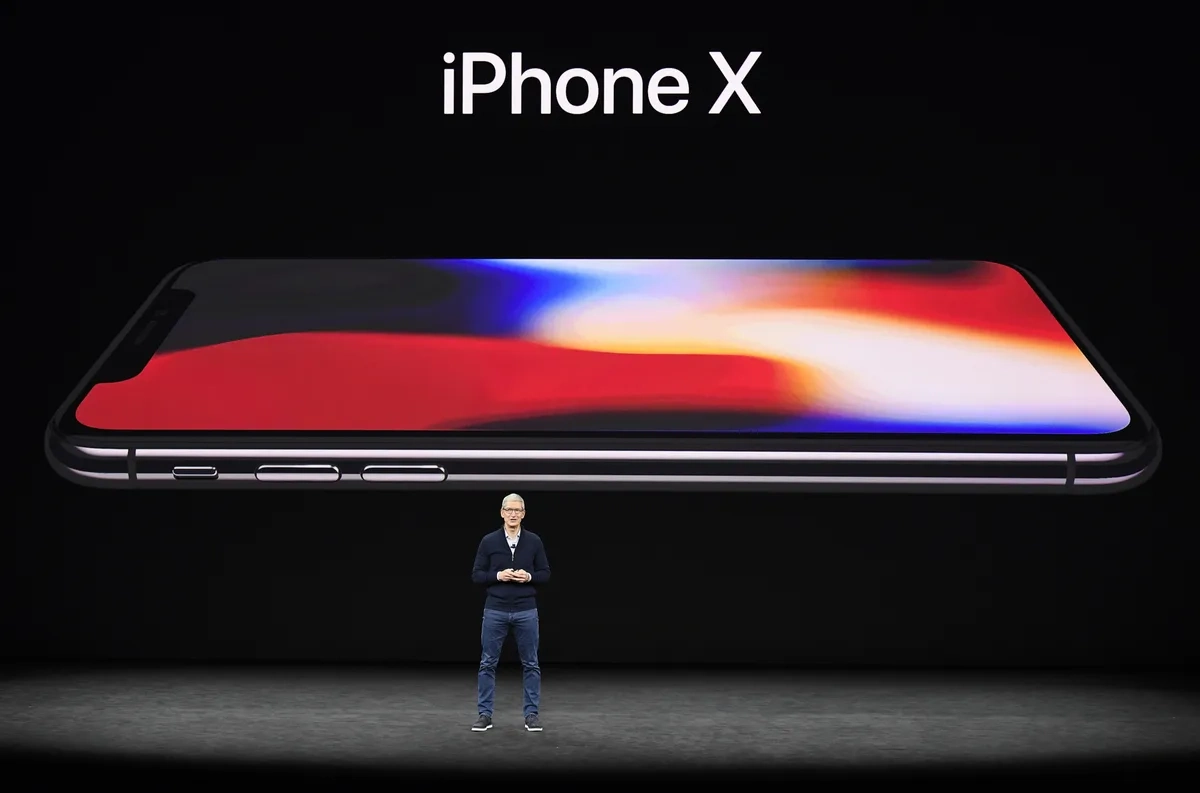


Apple is standing on the edge of one of its biggest shifts in years. In just a few weeks, the company will step on stage at its big fall event, not just to reveal another yearly refresh, but to set in motion a multi-year plan to reshape the iPhone. For a product that has often felt stuck in repetition—sharper cameras, brighter screens, faster chips—the next few years may finally feel different.
Anyone who picks up today’s iPhone and compares it with one from five years ago can see the truth: not much has changed. Sure, the corners are smoother, the bump for the camera keeps growing, and Apple experiments with finishes. But the overall silhouette is the same flat slab of glass and metal. The days when a new design alone could spark massive lines at Apple Stores are long gone. Now, people upgrade because their old device is cracked, slowing down, or running out of storage.
That’s why this fall matters. Apple is planning not just one, but three years in a row of substantial iPhone redesigns. It begins with the iPhone Air, a slimmer model that replaces the Plus version. Just as the MacBook Air became a defining product for laptops, this new phone aims for thinness and portability. Of course, thin comes at a cost: weaker battery, fewer cameras, and the removal of the physical SIM slot. Yet it signals Apple’s willingness to shake things up again. Alongside it, the iPhone 17 family will arrive—Pro models with a refreshed back design, new orange and blue shades, and some under-the-hood upgrades.
But the real excitement is being saved for 2026, when Apple finally introduces a foldable iPhone. Internally called V68, the device borrows the book-style approach Samsung has been pushing, with a display that opens into a tablet-like screen. It won’t have Face ID, going back instead to Touch ID, and will feature multiple cameras spread across its body. Foldables may still feel experimental to some, but Apple clearly believes the future is flexible screens.
Then comes 2027, the 20th anniversary of the iPhone, which Apple plans to mark with a curved-glass design—its first major departure from the squared edges we’ve been living with since 2020. Combined with new interface ideas built around “liquid glass” software, this anniversary model could feel like a reinvention of the iPhone’s entire identity.
Meanwhile, Apple is juggling other battles. It has raised the price of TV+, is preparing a new paid Health+ service, and continues to lean heavily on its services business for growth. But regulators are circling, threatening Apple’s App Store dominance and its lucrative $20 billion annual deal with Google to make its search engine the default on iPhones. A judge could cut that tie at any moment, forcing Apple to rethink its entire services strategy.
In parallel, Apple is wrestling with artificial intelligence. Siri, once revolutionary, now lags behind newer digital assistants. Internally, Apple debates whether to stick with its own AI models or rely on outside players like Google’s Gemini, Anthropic, or OpenAI. Quiet talks are ongoing, with Google in particular working on a version of Gemini that could run on Apple’s servers. This decision may define Siri’s next decade.
But as Apple courts partners, it is also losing talent. In the span of just two months, at least six of its AI executives have jumped ship to Meta’s new AI lab, including leaders who shaped Apple’s infrastructure and models. Meta is luring them with massive pay packages, while Apple faces the uncomfortable question of whether its AI leadership has slipped too far behind.
So yes, the new iPhones this year will look familiar. But the bigger story is what they signal: Apple is finally loosening its grip on the formula it has guarded for so long. The Air, the foldable, the curved anniversary edition—together, they mark a new chapter. And if Apple can fix Siri, stabilize its AI team, and keep services revenue growing, it just might reclaim the thrill that once made every iPhone launch feel like a cultural event.