


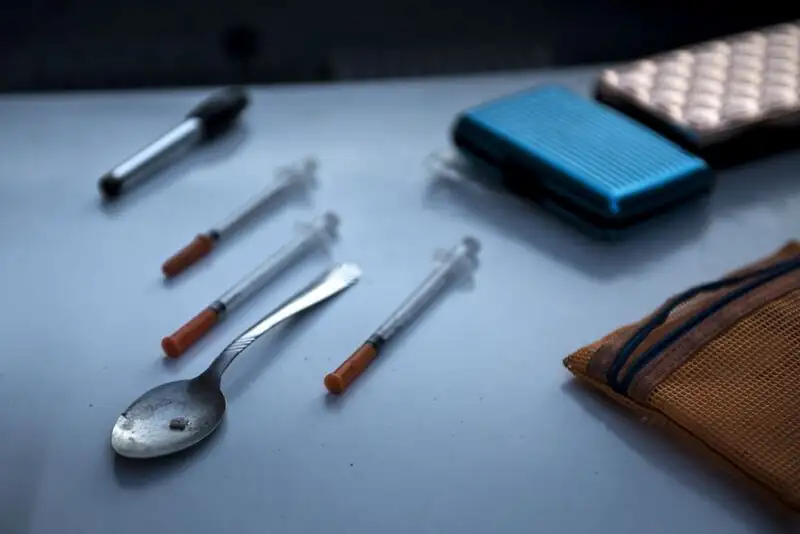


The opioid epidemic in the United States has been fueled, in part, by the covert use of an animal sedative called xylazine. This dangerous sedative has been linked to over 3,000 overdose-related deaths in the US in 2021, with the drug involved in more than a third of overdose deaths in heavily affected areas like Philadelphia, usually in combination with fentanyl. Xylazine is dangerous in so many ways, ranging from constricting blood vessels to lethally depressing breathing and blood pressure. Furthermore, because this sedative isn't an opioid, first responders can't rely on common agents like naloxone to block its effects.
Despite the growing concern, xylazine remains plentiful and easy to obtain. All that is required is a prescription, and the drug is "readily available" on websites that don't even verify veterinary need for the product, according to the Drug Enforcement Administration. Dealers are believed to be purchasing cheap xylazine and mixing it with opioids to increase profits. While heroin or fentanyl can run into the tens of thousands of dollars, a kilogram of xylazine can be purchased from Chinese suppliers for $20 or less.
Regulators are scrambling to track down the sources of xylazine, which may be coming from countries such as China, Mexico, India, and Russia. However, its illegal importation and theft may have been happening for much longer than regulators realize. Experts suggest that some employees have stolen quantities of the drug from veterinary hospitals.
Distributors maintain that they maintain safeguards to ensure that xylazine is ordered exclusively for veterinary use. Nevertheless, criticism abounds that the industry must take greater responsibility to prevent unauthorized use by dealers and drug traffickers.
Limiting access to xylazine is just one part of the equation. To address the drug epidemic adequately, community-based organizations must be funded, users must be informed about the potential dangers associated with xylazine, users must be provided with tests that inform them of the composition of illicit drugs, and safe injection sites should be made available.
Doctors treating patients that have used xylazine or drugs that contain the sedative face challenges in determining the correct treatment. Approved treatments for xylazine's effects are lacking, and doctors must resort to supportive care when patients' blood pressure and breathing rates falter. Moreover, xylazine may blunt the effectiveness of treatments for opioid withdrawal, potentially leading to worse symptoms and more overdoses. The Substance Abuse and Mental Health Services Administration recommends that patients be referred to inpatient treatment if they exhibit symptoms of severe withdrawal.
As regulators are trying to monitor and control overseas shipments of xylazine to ensure that it is used solely for veterinary purposes, Pennsylvania, Ohio, and West Virginia have all moved to classify xylazine as a Schedule III drug. Florida has taken the more drastic step of classifying the drug as a Schedule I drug-the most tightly regulated class. However, some experts are questioning the efficacy of legislative barriers to control the opioid crisis and how they may lead to unintended consequences for legitimate veterinary practices. Therefore, efforts should be focused on understanding xylazine's effects and developing better treatments for patients who have been exposed to the drug.