




A group of 41 companies, including PepsiCo and Nike, have sent a letter to the European Union (EU) urging stricter emissions targets for trucks to be implemented. The companies have called for the existing 45% level proposal to be increased to a 65% reduction in emissions by 2030. They also want the EU to establish a clear date for all new trucks to be required produce zero emissions. Notably, the signatories include Nestle and A.P. Moller-Maersk, which rely on heavy trucks to transport their products across Europe.
Truckmakers already have voluntary emissions commitments in place, but the companies that depend on the vehicles want regulations to further tighten emissions targets as the EU pushes them to implement their own energy-transition plans. Decarbonisation of the road transport sector is considered a key part of the EU’s Green Deal, which is targeting carbon neutrality by 2050.
Despite the urgent need to phase out diesel trucks, the transition to zero-emissions vehicles is hindered by several factors, including the limited availability of electric and hydrogen vehicles. According to the letter's signatories, "While we want to start purchasing more zero-emission trucks, they are currently not yet available at sufficient scale. We now ask for your support to ramp up their production."
In February, the European Commission proposed that some niche vehicles, such as garbage trucks, be exempted from the stricter emissions rules. However, the companies that signed the letter are calling for an end to such carve-outs. Producing zero-emission trucks for heavy loads remains a significant challenge for manufacturers due to their weight and the early stage of hydrogen technology.
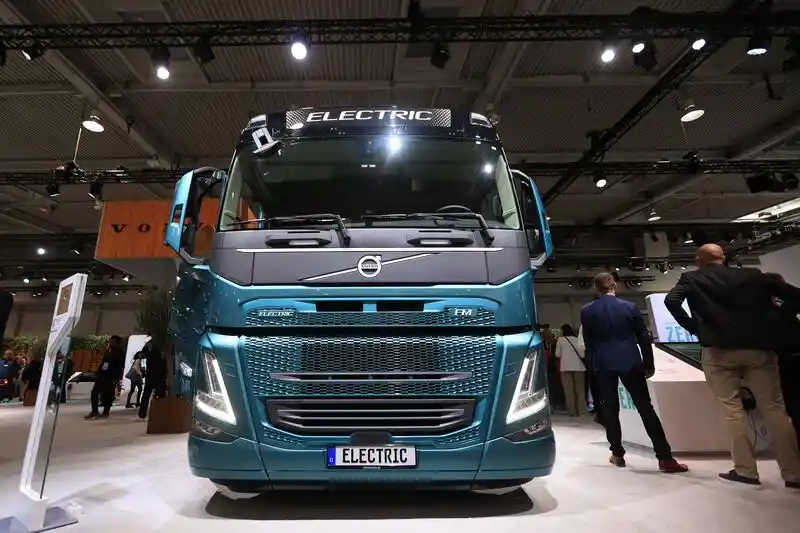
Daimler Trucks, which owns Mercedes-Benz, aims to shift to the sale of only CO2-neutral trucks by 2039. It also plans that more than 50% of new Mercedes-Benz vehicles will be zero-emission, and its first all-electric truck for long-distance transport will debut in October. Meanwhile, Volvo AB plans for 50% of its global sales of new trucks to be electric by 2030 and the remainder to be net-zero by 2040. Although currently accounting for only 1.3% of sales in the first quarter, the company is scaling up production.