


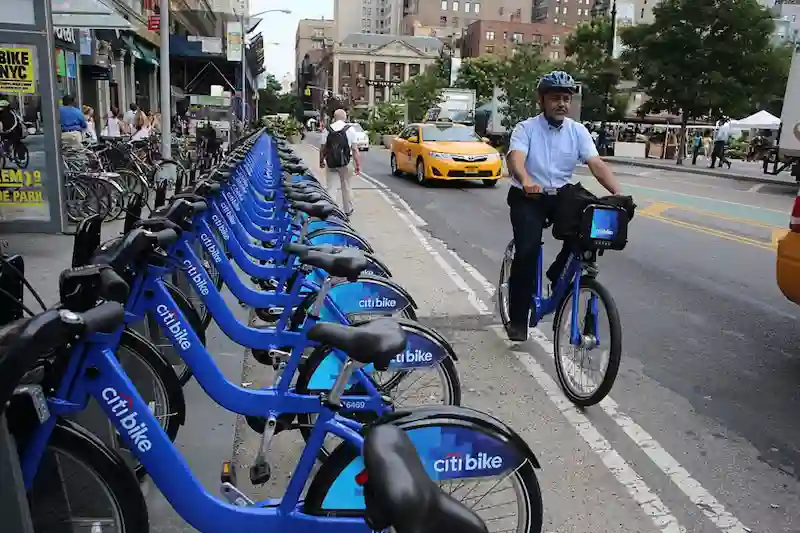


Bike sharing systems in major US cities are experiencing ongoing growth as the popularity of biking continues to rise. According to data from the US Bureau of Transportation Statistics, annual ridership of bikesharing programs in six cities increased by 27% in 2022 compared to pre-pandemic levels, reaching nearly 45 million trips. Moreover, it is projected that 2023 will witness another record increase in ridership. The largest contribution to this growth comes from New York City's bikeshare system, although other major programs in Boston and Chicago also experienced higher participation in 2022 than before the pandemic. While San Francisco and Washington, DC initially saw lower ridership in 2022, recent government data suggests that Washington, DC has already surpassed pre-pandemic levels in the first five months of 2023.
The pandemic played a significant role in introducing new people to biking, resulting in increased interest and adoption of bikeshare programs. Ken McLeod, policy director for the League of American Bicyclists, highlighted that many individuals purchased bikes or started using bikes they hadn't used for a while, and bikeshare became an accessible entry point for new riders, particularly in urban areas. Additionally, the availability of e-bikes in bikeshare fleets has alleviated concerns around factors such as parking, storage, and challenging terrains, making biking more appealing to a wider audience.
In New York City, the remarkable growth of Citi Bike can be attributed in part to the city's investment in bike infrastructure. Initiatives like repurposing a lane on the Brooklyn Bridge have provided more opportunities for people to use bikes in the city. To meet the increasing demand, New York City's bikeshare program has expanded its fleet and added numerous stations. The program anticipates doubling the service area and utilizing 40,000 bikes by 2023, with plans to expand further into the Bronx, Queens, and Brooklyn this year.
Similar growth has been observed in other cities as well. Philadelphia's Indego is expanding its service with 600 new stations and electric bikes, while Chicago's Divvy has expanded its coverage area and added over 100 e-stations. Portland's bikeshare fleet is also growing by 30%. This growth in bikeshare programs contrasts significantly with the decline in transit ridership during the pandemic.
Although fewer people used bikes to commute to work during the pandemic, biking saw a larger drop-off compared to walking or driving. The American Community Survey's 2021 edition revealed that nearly 200,000 fewer people cycled to work in 2021 compared to pre-pandemic levels. However, the pandemic highlighted the need to shift focus from just the 9-to-5 commute and consider all daily trips. This shift, coupled with the popularity of other bike uses and destinations, led to a surge in bike purchases during the pandemic, with bike-riding participation and sales reaching the highest levels in the last 20 years.
It is worth noting that the increased demand for bikes during the pandemic led to rising prices, which has become a concern for cycling enthusiasts. The National Bicycle Dealers Association's 2021 market report revealed that national spending on bicycles and accessories reached a peak of nearly $9 billion in March 2021, but prices have started to decrease recently. Supply chain and manufacturing constraints have contributed to the increase in prices. Despite this, the biggest obstacle to wider bicycle adoption remains road safety. Building safer bike networks that minimize interaction with large vehicles on high-speed roads is crucial to ensure the comfort and safety of cyclists.