


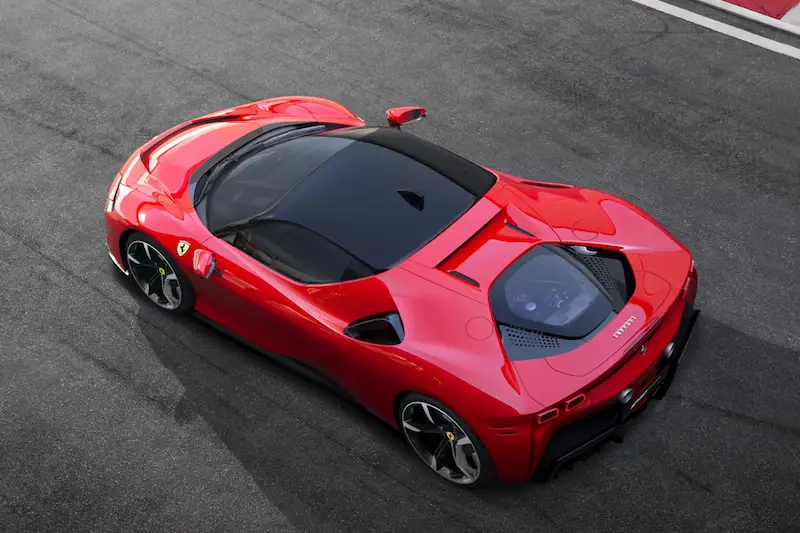


China has become a significant market for luxury carmaker Ferrari NV, with an interesting twist - more than one quarter of its sales in the country are to female buyers. According to sources familiar with the matter, female customers accounted for an average of 26% of Ferrari sales in China over the past five years. This percentage is notably higher than in any other country where Ferrari operates.
While precise figures comparing the proportion of Ferraris sold to women in other countries were not disclosed, the trend in China is unmistakable. Ferrari CEO Benedetto Vigna acknowledged the growing enthusiasm from female clients for their products and experiences. This is evidenced by an increasing number of women participating in company-sponsored events, such as race-car training.
The women in China who are purchasing Italian-made supercars represent a diverse group, including tech industry executives, property entrepreneurs, and the super-wealthy. Many of these women have achieved remarkable success in their respective fields, such as Wu Yajun, the founder of property developer Longfor Group, Zhou Qunfei, chairman of iPhone supplier Lens Technology Co., and Gu Xiaoqing, an executive at fast-fashion unicorn Shein.
The popularity of social media platforms, particularly Douyin (China's TikTok equivalent), has contributed to the trendiness of Ferrari among Chinese women. Numerous videos on these platforms feature young women driving Ferraris, showcasing their experiences with the luxurious vehicles. This exposure further stimulates interest and desire among potential buyers.
Ferrari has long recognized the potential of the Chinese market, especially with regards to female buyers. As early as 2010, their then-CEO mentioned that nearly 20% of their Chinese sales were to women. However, with the rapid growth of the luxury car market in China, the number of female buyers has increased significantly.
China's recovery from strict Covid controls has boosted luxury spending in the country. It is estimated that Chinese consumers will account for 20% of the global personal luxury goods market this year, rising to 38% by 2030, according to consultancy Bain & Co. Ferrari, which reported global sales of approximately €5.1 billion ($5.6 billion) and total shipments of 13,221 units last year, recognizes the importance of catering to the Chinese market.
Despite the impressive growth, Ferrari aims to keep deliveries in China to around 10% of its total shipments. This approach is partly driven by China's tariffs on luxury imports, which can affect the company's returns. Nevertheless, with China being the world's second-largest hub for billionaires and an increasing number of wealthy and successful women, the potential for Ferrari's growth in the country remains immense.