


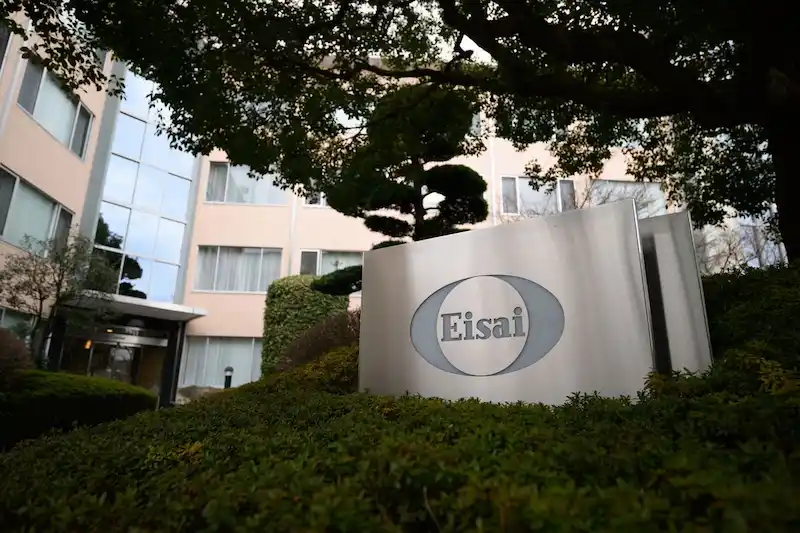


Eisai's groundbreaking Alzheimer's disease drug, Leqembi, is set to receive approval from Japanese regulators after gaining full clearance in the United States last month. The Japanese health ministry's advisory panel has recommended the approval of Leqembi, according to an official government statement released on Monday. The ministry typically relies on the expert panel's evaluation before granting clearance to new medicines.
If approved in Japan, Leqembi will become the second country to endorse the drug, which is the first of its kind to slow down the progression of Alzheimer's disease. Eisai, in collaboration with Biogen Inc., secured full approval for Leqembi in the United States last month. While the drug has been priced at $26,500 per year in the US, the Japanese government plans to cap the cost later this year.
Japan's approval of Leqembi would be a significant milestone in the treatment of dementia in the country's rapidly aging population, where over 6 million individuals are currently living with the disease. Alzheimer's disease, the most common form of dementia, affects more than 55 million people worldwide and is projected to nearly double every 20 years, as reported by Alzheimer's Disease International.
Eisai is also seeking regulatory approval for Leqembi in other markets, including Europe and China. The company anticipates that revenue from the drug will reach ¥1 trillion by fiscal year 2030.
Leqembi, also known as lecanemab, belongs to a new generation of antibodies that effectively clear amyloid, a toxic protein that accumulates in the brains of Alzheimer's patients. It became the first medication to demonstrate clear efficacy in slowing down the progression of the disease in a large-scale trial last fall. Patients receiving Leqembi experienced a decline at a 27% slower rate over 18 months compared to those on placebo treatment.
With its recent full approval in the US, following an accelerated clearance process in January, it is expected that Leqembi will now be covered by a wider range of insurance providers in the world's largest pharmaceutical market. However, the approval comes with testing requirements and strict warnings regarding potential side effects.