


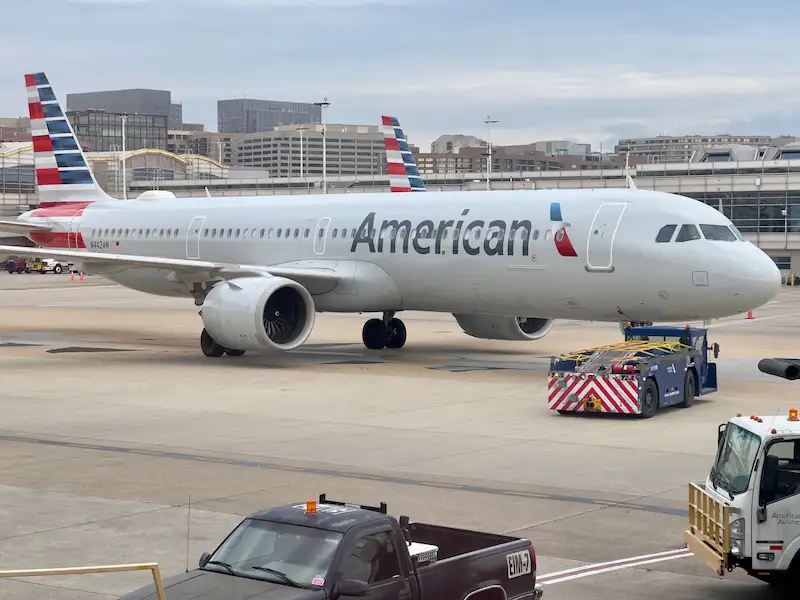


American Airlines is facing a historic fine after being found guilty of subjecting passengers to excessively long tarmac delays. The Department of Transportation has announced a whopping $4.1 million penalty, marking it as the largest civil penalty ever assessed by the Department. The fine comes as a result of 43 flights between 2018 and 2021, impacting over 5,800 passengers.
The longest of these delays occurred in August 2020 when a flight carrying 105 passengers was forced to land in Texas due to severe weather. Unfortunately, the passengers were left stranded on the aircraft for a grueling six hours and three minutes. The Department of Transportation accuses American Airlines of not having sufficient resources to address the situation effectively.
Under federal regulations, airlines are not allowed to hold passengers without providing an opportunity to disembark for more than three hours on domestic flights and four hours on international flights. The rules also require airlines to offer passengers water and a snack during extended delays.
American Airlines, on the other hand, claims that all the delays were a result of "exceptional weather events" and that they only account for a small fraction of their overall flights during the specified timeframe. The airline has emphasized that it has invested in advanced technology to better manage flights in severe weather conditions and reduce congestion at airports.
In response to the incident, American Airlines will pay $2.05 million of the fine to the government, while the remainder has been credited as compensation to affected passengers. Additionally, the airline states that it will continue its efforts to enhance customer experience and implement innovative solutions to further improve their services.
This record-breaking fine sends a clear message to airlines that they are accountable for ensuring the well-being and comfort of their passengers. The Department of Transportation's strong stance on tarmac delays serves as a reminder to the industry that adherence to regulations is crucial, even in challenging circumstances.