


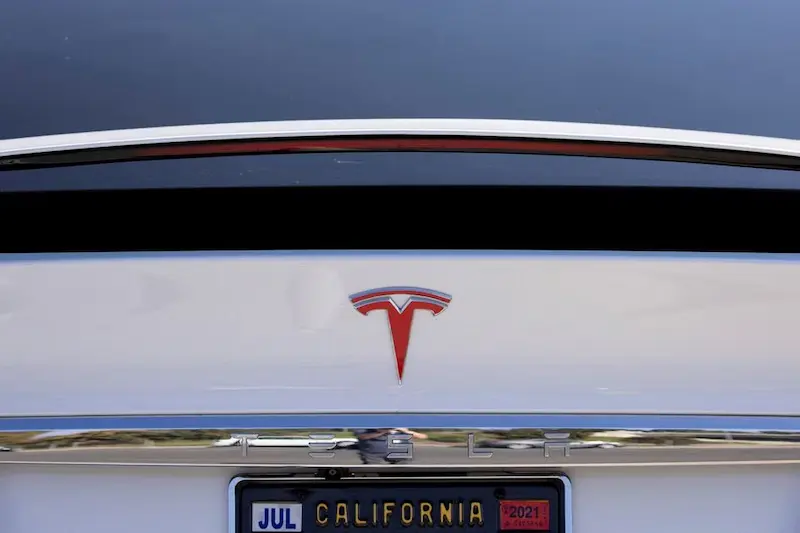


Tesla has emerged victorious in its first US trial over allegations that its Autopilot feature was responsible for a fatal crash. The outcome is a significant win for the electric vehicle (EV) manufacturer as it faces numerous other similar lawsuits across the country. This latest case, heard in a California state court, was filed by two passengers involved in a 2019 crash who accused Tesla of knowingly selling a vehicle with a defective Autopilot system. However, the jury ruled that there was no manufacturing defect in the vehicle, with the verdict being 9-3 in favor of Tesla.
The trial focused on a tragic incident in which a Tesla Model 3 veered off a highway, struck a palm tree, and burst into flames, resulting in the death of the vehicle owner, Micah Lee, and serious injuries to his two passengers. The plaintiffs alleged that the Autopilot system was responsible for the crash. Meanwhile, Tesla maintained that human error, including alcohol consumption, was the cause of the accident. The case involved disturbing testimony about the injuries sustained by the passengers, and the plaintiffs sought $400 million in damages, in addition to punitive damages.
Throughout the trial, Tesla denied any liability and cast doubt on whether Autopilot was engaged at the time of the crash. The company argued that it was difficult to establish a clear connection between the Autopilot system and the accident. The defense also pointed out that Lee had consumed alcohol before getting behind the wheel, further contributing to the crash. Tesla's lawyers maintained that their client consistently stressed that its technology requires human monitoring, despite the names "Autopilot" and "Full Self-Driving."
Notably, this case differed from other lawsuits against Tesla related to its Autopilot system. While previous cases emphasized allegations of a defectively designed Autopilot, leading to misuse by drivers, this trial focused solely on whether there was a manufacturing defect that affected the steering. Legal experts highlighted the potential confusion faced by the jury, as the issues at hand were distinct from those in other cases against Tesla.
During the trial, the plaintiffs' attorney presented an internal Tesla safety analysis from 2017, which identified "incorrect steering command" as a potential defect related to an "excessive" steering wheel angle. Tesla, however, argued that the safety analysis did not indicate a manufacturing defect, but rather served as a means for addressing any potential issues that might arise with the vehicle. The automaker subsequently implemented a system that prevents Autopilot from executing the turn that led to the fatal crash.
This is the second significant trial win for Tesla this year. In a case in Los Angeles in April, where a Model S swerved and injured its driver, the jury sided with Tesla, believing that the company had adequately warned drivers about the limitations of its Autopilot system and that driver distraction was the primary factor in the accident.
While this trial victory is undoubtedly a positive outcome for Tesla, the automaker still faces additional lawsuits concerning its Autopilot system across the United States. These cases highlight the increased scrutiny and regulatory challenges that arise from the deployment of advanced driver assistance systems (ADAS) like Autopilot and Full Self-Driving, which have the potential to shape the future of the automotive industry.