


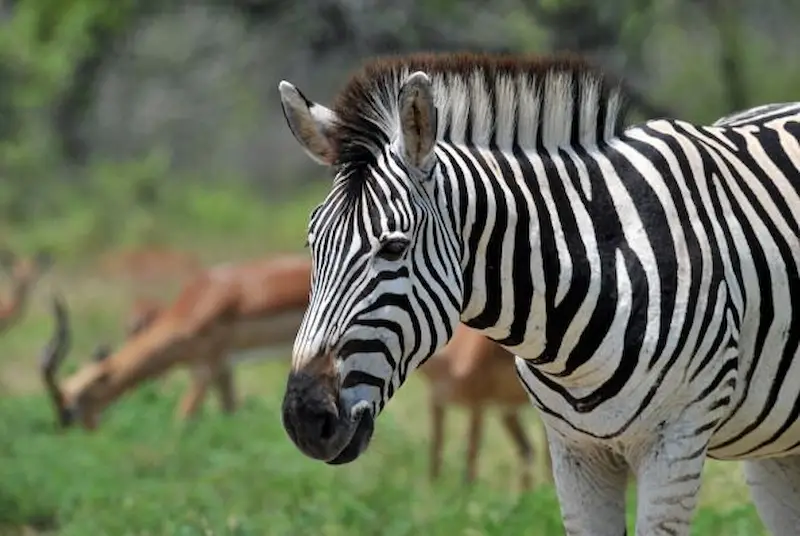


South Africa is set to tap into the vast potential of its wildlife industry by formalizing the trade of game meat, including zebra, crocodile, and other exotic varieties. In a bid to boost both local consumption and international exports, the government has published a strategy document outlining plans to capitalize on the country's abundant wildlife resources.
Currently, approximately 80% of South Africa's wild animals are found on private land, with the landholders considering them their property. This unique legal arrangement has inadvertently contributed to the growth in game numbers, as the animals hold monetary value. However, the formal sale of game meat has been limited so far, with only 3,000 tons of zebra, crocodile, and ostrich meat exported in 2019 to destinations such as the United Arab Emirates, China, and the European Union.
Recognizing the increasing demand for sustainably sourced, healthy products that support biodiversity conservation and community development, the Department of Forestry, Fisheries and the Environment believes the South African game meat industry is well-positioned to cater to this market. The strategy document highlights the potential to create 202,000 jobs by 2030 through the promotion of game meat consumption. Currently, 16 million wild animals reside on farms catering to the industry, and in 2016, nearly 180,000 of them could have been sold for consumption.
To achieve these objectives, the strategy proposes doubling game meat production to over 100,000 tons annually by 2030, with a target of ensuring that 85% of the meat meets human consumption standards, a significant increase from the current 10%. The focus will shift from hunting to commercial production, and the establishment of abattoirs will be encouraged to streamline the process.
Among the antelopes that could be targeted for meat production are kudu, blesbok, springbok, gemsbok, eland, wildebeest, and impala, according to the department. These animals are known for their lean and nutritious meat, which aligns with the preferences of health-conscious consumers.
South Africa's game meat industry has the potential for significant growth, as it currently produces more game meat than New Zealand, a country renowned for its deer-hunting industry. However, the export value of South Africa's game meat was only $12 million in 2020, while New Zealand's deer meat exports reached $122 million.
By formalizing the game meat industry and implementing the proposed strategy, South Africa aims to unlock the economic potential of its wildlife resources, creating jobs and catering to the increasing demand for sustainably sourced, exotic meats both domestically and internationally.