


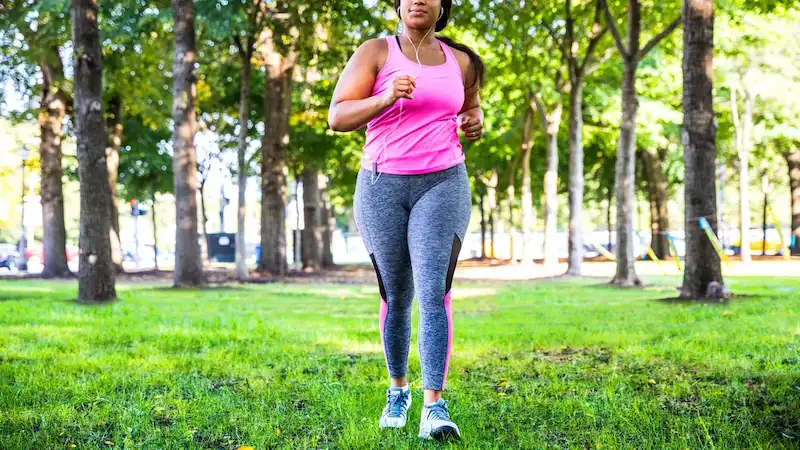


A new study has shed light on the connection between walking pace and the risk of developing type 2 diabetes. The research, published in the British Journal of Sports Medicine, reveals that brisk walking is associated with a nearly 40% lower risk of developing type 2 diabetes later in life.
Previous studies have shown that frequent walking is linked to a reduced risk of type 2 diabetes. However, these studies did not provide clear guidance on the optimal walking speed needed to lower the risk. This comprehensive review of 10 previous studies conducted between 1999 and 2022 aimed to address this gap.
The researchers analyzed the data collected from participants in the United States, the United Kingdom, and Japan. They assessed the links between walking speed, measured either by timed tests or participants' self-reported perceptions, and the development of type 2 diabetes. The average follow-up period was eight years.
The findings showed that compared to easy or casual walking, walking at an average or normal pace was associated with a 15% lower risk of developing type 2 diabetes. Walking at a "fairly brisk" pace led to a 24% lower risk, while "brisk/striding" walking had the most significant benefit with a 39% reduction in risk. Each kilometer increase in walking speed above a brisk pace was associated with a 9% lower risk.
While it may not be surprising that faster walking is more beneficial, the study's ability to quantify walking speed and incorporate it into the analysis provides valuable insights. According to Dr. Robert Gabbay, Chief Scientific and Medical Officer for the American Diabetes Association, the study reaffirms that intensity is crucial for diabetes prevention.
The study does not prove cause and effect, but it suggests that more vigorous exercise resulting in increased physical fitness and weight reduction could lower the risk of diabetes. Dr. Michio Shimabukuro, a professor and chairman in the field of diabetes, endocrinology, and metabolism, adds that higher exercise intensity from faster walking can lead to improved physiological functions and better overall health.
However, some experts caution that walking speed may simply reflect an individual's health status, and reverse causality might be at play. Healthier individuals may naturally walk faster, skewing the results. Further randomized controlled trials are needed to confirm these findings.
In conclusion, the study highlights the importance of walking for overall health and specifically for reducing the risk of type 2 diabetes. While faster walking pace appears to be more beneficial, the most important message is to encourage individuals to engage in regular walking regardless of speed. Fitness trackers can be helpful in objectively measuring and maintaining walking pace. Additionally, the Centers for Disease Control and Prevention's "talk test" can be a simple alternative for tracking exercise intensity. By promoting walking as an accessible form of exercise, individuals can take steps towards lowering their risk of type 2 diabetes.