


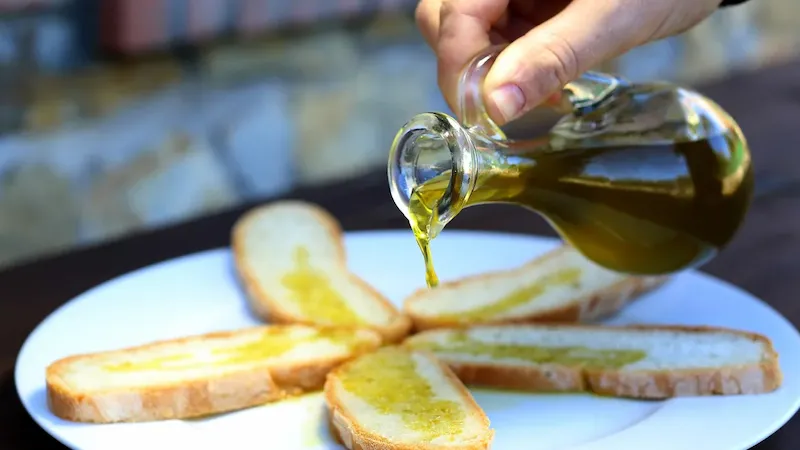


The olive oil market, known as the "liquid gold," has a dark side that involves criminal enterprises cashing in on the soaring demand for this Mediterranean staple. Fake extra virgin olive oil, made with cheaper oils like sunflower or canola, is being sold as the real deal, often at high prices. In November, European authorities arrested 11 people linked to one such criminal gang, seizing barrels containing hundreds of thousands of liters of adulterated oil. This illicit practice is driven by a combination of factors, including rising demand, reduced production, and inflation, creating a breeding ground for fraudulent producers.
The increasing demand for olive oil exports from Italy, Spain, and Greece is met with lower production rates due to extreme weather conditions. In 2023, Mediterranean oil production plummeted by 41% as a result of a wet spring that hindered flowering and record-setting summer heat that shriveled the olives. Unable to meet market demand, fraudsters have seized the opportunity to mix lower grade oils with genuine olive oil, offering competitive prices while infiltrating legal supply chains. To imitate the characteristic color of olive oil, fraudsters resort to using additives such as chlorophyll or beta carotene.
This illicit practice extends to the theft of olive trees and branches. Thieves have been resorting to chainsaw attacks in Greece and Italy, targeting ancient trees to steal olive-laden branches. Harvesting olives is a delicate process, making it easier for thieves to steal entire trees or branches, albeit leaving them severely damaged. Additionally, olive warehouse break-ins and the destruction of harvesting equipment have been reported, causing delays in the harvest and giving thieves the opportunity to steal the olives.
The authorities' breakthrough arrests in November came after anomalies were observed, including a truck carrying lower-quality olive oil entering a production plant where export-bound oil was being produced. Olive oil is one of the most fraudulently labeled foods in Europe and is frequently investigated. The demand for extra virgin olive oil remains high, which contributes to the persistence of this fraudulent market. Despite a poor harvest in 2023 due to drought in Spain, prices for olive oil skyrocketed, increasing by more than 80%. Even Italian oil prices rose by 66% despite having a harvest that was not below average. With both countries experiencing severe production shortages this year, prices for the 2024 export season are expected to rise further, making the market even more attractive to criminal enterprises.
The sale of fake extra virgin olive oil not only poses a public health risk but also erodes consumer trust, thereby having significant economic repercussions. The battle against this illicit practice has become a law enforcement priority, especially in countries where olive oil production is predominant. As the olive oil market continues to grow and demand remains high, authorities must remain vigilant in combating fraud and protecting consumers from falling victim to counterfeit products.