


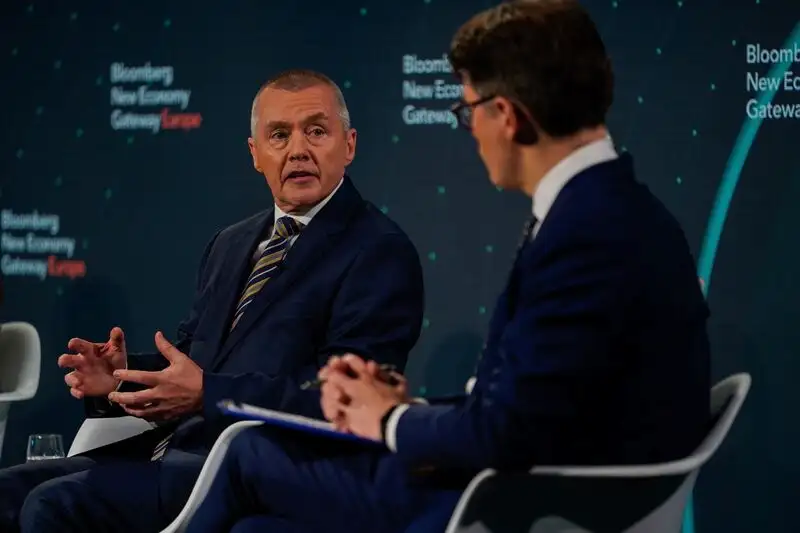


The aviation industry has set a goal of achieving net zero emissions by 2050, and sustainable aviation fuel is seen as a key solution. However, the cost of producing sustainable aviation fuel is currently much higher than traditional kerosene, the fuel currently used to power planes. As a result, the cost of decarbonizing aviation is estimated to exceed $1 trillion. The question of who will pay for this transition has arisen, with Willie Walsh, Director General of the International Air Transport Association, stating that the cost will ultimately have to be borne by consumers in the form of higher airfare prices.
According to Walsh, sustainable fuels will account for around 65% of the reduction needed to achieve the industry's goal of net zero emissions. The production of sustainable aviation fuel is currently limited due to its high cost, and it is not yet clear who will bear the cost of producing it. The International Council on Clean Transportation has predicted that the cost of implementing sustainability measures will drive up ticket prices by 22% by 2050, compared to where they would otherwise stand.
The aviation industry is facing various challenges as it transitions to sustainable fuels. While sustainable aviation fuels (SAFs) have the advantage of being usable by current-generation aircraft engines and existing airport infrastructure, biomass-based fuels are the only ones currently being produced, and in limited quantities. Furthermore, there is a lack of agricultural land available to grow the necessary ingredients. However, not all biomass is created equal, and alternatives such as "e-kerosene" require more time to develop.
Hydrogen-based fuels are seen as a potential solution, but there are currently not enough available to meet demand. To achieve a unified energy infrastructure for the airline industry, all players, including governments, must be aligned in their efforts. The UK industry group Sustainable Aviation has warned that the cost of decarbonizing aviation will inevitably reduce passenger demand, with around 14% of the anticipated reduction in emissions coming from fewer fliers. Therefore, finding a solution that balances the need for sustainability with affordability for consumers is crucial.