


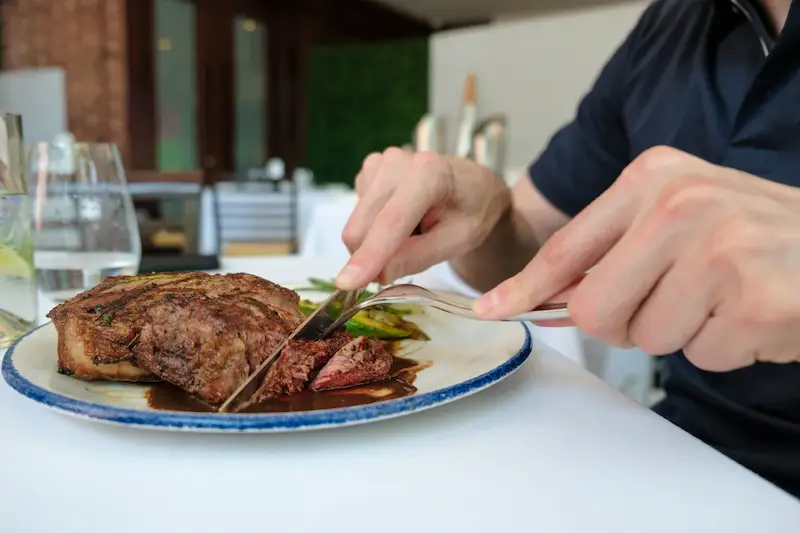


New research suggests that the quality of the food we consume on a low-carb diet plays a significant role in weight loss and maintenance. In a study comparing five different types of low-carb diets, it was found that people who followed an unhealthy, meat-based low-carb diet were more likely to gain weight over time compared to those who followed a healthier, plant-based version.
The senior author of the study, Dr. Qi Sun from the Harvard T.H. Chan School of Public Health, explained that individuals who prioritize whole grains, healthy non-tropical vegetable oils, and plant proteins in their low-carb diets have a better chance of avoiding excess weight gain. This means that focusing on the quality of the food we eat is crucial for sustainable weight loss.
The study compared various low-carb diet approaches, including one that predominantly included animal protein and fat, another that focused on plant-sourced protein and fat, a third that emphasized eating less refined carbohydrates, more plant protein, and healthy fats such as olive oil, and finally, an unhealthy meal plan consisting of unhealthy fats, more animal protein, and refined grains.
To conduct the study, researchers analyzed data from over 67,000 participants who took part in three well-established longitudinal studies. These participants were healthy individuals under the age of 65 with no preexisting chronic conditions. Their weight loss or gain was self-reported at four-year intervals.
The findings revealed that individuals who followed an unhealthy low-carb diet, primarily consisting of animal protein and fat, gained an average of approximately 5.1 pounds over four years. On the other hand, those who adopted a healthy low-carb diet, which involved higher intakes of fruits, whole grains, and non-starchy vegetables, and lower intakes of dairy, red and processed meat, and sugar-sweetened beverages, lost an average of 4.9 pounds over the same period.
It is important to note that these results are based on observational studies and do not prove causation. However, the associations observed in the study were significant, dose-responsive, and supported by plausible mechanisms.
Dr. David Katz, a specialist in preventive and lifestyle medicine and founder of the nonprofit True Health Initiative, explains that while the study focused specifically on low-carb diets, the importance of food quality applies to any diet. Regardless of the diet plan followed, choosing foods that emphasize fresh fruits, non-starchy vegetables, whole grains, nuts, legumes, and healthy oils is always a wise choice.
In conclusion, this study highlights the importance of considering the quality of the food we consume in low-carb diets. It suggests that a plant-based, high-quality low-carb diet is more likely to lead to sustainable weight loss, while an unhealthy low-carb diet that relies on animal protein and fats may result in weight gain over time. Ultimately, prioritizing whole, nutritious foods should be at the forefront of any weight loss or maintenance approach.