


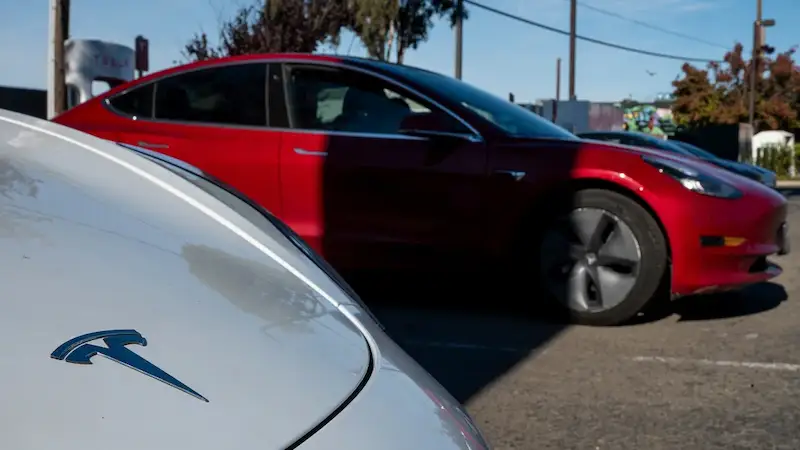


Recently, Hertz made headlines when it announced it would be selling off its fleet of 20,000 electric cars and replacing them with gasoline vehicles. One of the reasons provided by Hertz was the high number of accidents involving their electric cars. This issue seems to extend beyond rental car drivers, as insurance data from LexisNexis Risk Solutions suggests that when vehicle owners switch from gasoline-powered cars to electric cars, they tend to have more accidents. Interestingly, drivers also experience a slight increase in crashes when switching to gas-powered vehicles, but the rise is more notable with electric cars. The data reveals that the frequency of insurance claims for electric vehicles rises by about 14.3%, and the severity of the claims, or the amount paid out, increases by 14.5%.
Although the increase in crash incidents is most prominent within the first year of owning an electric vehicle, it gradually subsides as drivers become acclimated to the new model. This trend is less pronounced when drivers switch from one gas-powered vehicle to another. However, it's worth noting that the term "electric vehicles" in this context primarily refers to Teslas. Teslas make up about 80% of Hertz's electric vehicle fleet and are also the majority among privately owned electric vehicles in the US.
While the dominance of Teslas among electric vehicles may suggest that there's something specific to this brand that causes more accidents, the trend has also been observed in China, where various electric vehicle models are prevalent. LexisNexis researchers examined insurance claims for new electric vehicles that replaced gas vehicles in households. They made an effort to equalize variables such as driver age, household income, and insurance levels.
Interestingly, the data indicates that crash rates increase even more in households that have both a gas-powered and an electric vehicle. This suggests that regularly switching between the two exacerbates the issue. Furthermore, the decreasing frequency of crashes over time implies that driver unfamiliarity contributes to the problem, according to Xiaohui Lu, head of EV research at LexisNexis Risk Solutions.
Experts have pointed out a few key differences between driving electric vehicles, especially Teslas, and traditional gas-powered cars. For instance, Teslas lack a "Start" button; the vehicle turns on instantly when the driver sits inside, and it powers off automatically when the driver exits. This lack of audible cues, coupled with the absence of engine vibration, can sometimes make it difficult to discern whether the vehicle is on or off.
Additionally, electric vehicles, including Teslas, tend to be faster due to their powerful electric motors. This higher speed is known to be associated with more frequent and severe crashes, as documented by the established correlation between horsepower and insurance claims. The lack of traditional engine noise and vibrations in electric vehicles might make drivers less aware of their speed, potentially leading to accidents.
Apart from the speed factor, electric vehicles are generally heavier than their gas-powered counterparts due to their dense battery packs. This increased weight often leads to more extensive damage in accidents involving electric cars, resulting in higher insurance claim amounts.
Low-speed environments, such as parking garages, can pose a particular challenge for electric vehicle drivers. Gasoline-powered cars need a short rev-up period before they start moving from a standstill, but electric vehicles respond differently to pedal pressure. This difference can lead to incidents when applying the habitual amount of pedal pressure doesn't produce the expected results. Moreover, certain electric vehicles offer a feature called "one-pedal driving," which allows drivers to control both starting and stopping by using just one pedal. While this system works well in most situations, it can cause confusion and delays during emergency situations that require immediate braking.
The research data suggests that drivers may overestimate their comfort and competence with electric vehicles, even with less than three years of experience. It's crucial for both manufacturers and drivers to recognize the unique driving characteristics of electric vehicles and take the necessary precautions to ensure safe and responsible driving.