


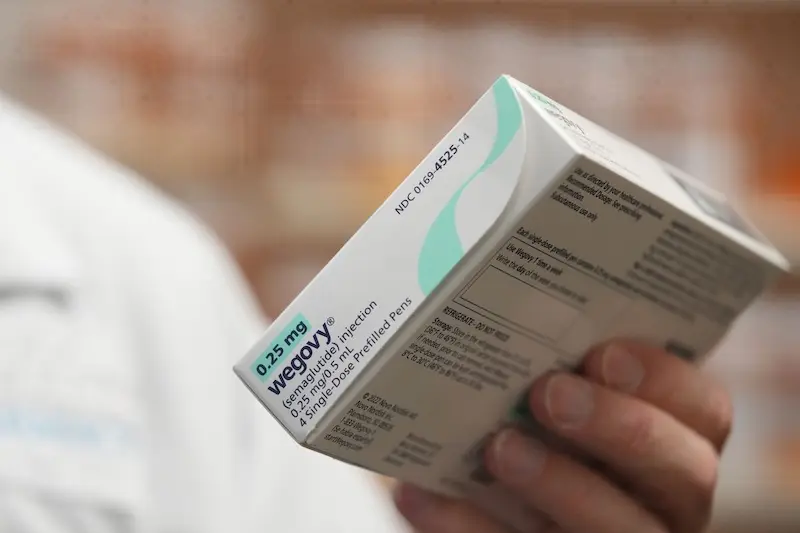


In a move driven by rising costs and unsuccessful negotiations with drug manufacturers on pricing, North Carolina has announced the discontinuation of coverage for anti-obesity medications for state employees. The decision specifically impacts a class of drugs called GLP-1s, which are commonly used for treating diabetes and aiding in weight loss. Popular medications like Novo Nordisk A/S's Wegovy and Ozempic, as well as Eli Lilly & Co.'s Zepbound, fall into this category. While these drugs have gained significant popularity, their high costs and long-term usage requirements have prompted the State Health Plan (SHP) of North Carolina to take action.
Last year alone, North Carolina's State Health Plan spent a staggering $100 million on GLP-1 drugs, with projections indicating a potential loss of $1.5 billion by 2030 if coverage persisted. In a bid to control costs, the SHP initially tried to cease coverage for new patients starting this year. However, Novo Nordisk responded by withdrawing rebates, resulting in a $54 million increase in prescription expenses for existing patients.
Despite attempts to negotiate lower prices with the drug manufacturers, the SHP was unable to reach an agreement. Consequently, the board decided to drop all coverage of GLP-1s starting April. This decision may have broader implications for the growing anti-obesity drug market, which Wall Street estimates to exceed $100 billion by 2030. Other states and insurers are also grappling with escalating costs and pressure from pharmaceutical companies to cover such medications.
Treasurer Dale Folwell, who oversees the SHP, emphasized that the board's decision was not made lightly: "This is not something the board desired to do but was forced to do. These manufacturers have to understand that there’s a need to put patients over profits." While many state-backed plans do not cover GLP-1s for weight loss, those that do are aiming to curb the skyrocketing costs. Connecticut, for instance, introduced a trial lifestyle-management program for state employees seeking weight-loss treatment drugs in July after witnessing a 50% annual rise in spending on this drug class since 2020. Similarly, Virginia has tightened restrictions on which Medicaid enrollees can receive GLP-1s for obesity treatment.
Responding to North Carolina's decision, a spokesperson for Novo Nordisk expressed disagreement, stating, "We do not support insurers or bureaucrats inserting their judgment in these medically driven decisions." Novo Nordisk also appealed to Treasurer Dale R. Folwell and the NCSHP to reconsider their stance and prioritize patients in their decision-making process.
Both Treasurer Folwell and Novo Nordisk expressed intention to continue negotiations on cost agreements. The treasurer revealed ongoing discussions with Eli Lilly, which manufactures Zepbound. With North Carolina's move, they became the first major state health plan to take action against covering weight-loss drugs, although other states and professional associations have been actively debating the issue.
The rising costs of anti-obesity medications pose a substantial challenge for states and insurers. As stakeholders grapple with these expenses, it remains to be seen how other regions will respond to the pressure exerted by pharmaceutical companies and the growing demand for weight-loss drugs.