


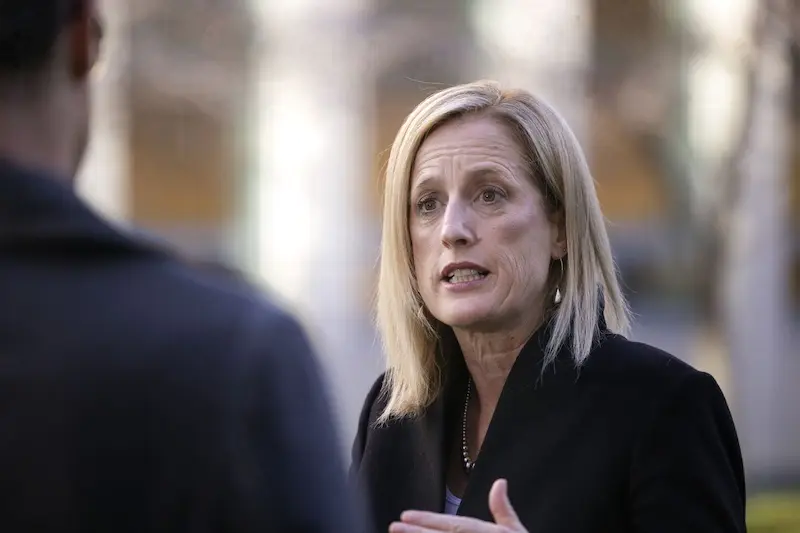


The Australian government is set to implement a significant policy change regarding pension contributions for workers who take paid parental leave, marking a crucial step towards addressing gender inequality in the country’s workforce. Finance Minister Katy Gallagher is expected to announce the long-awaited adjustment in Canberra on Thursday, revealing that starting from July 2025, all individuals receiving paid parental leave from the government will also receive mandatory pension entitlement during that period.
The current system leaves parents who take leave without pension contributions, disproportionately affecting female workers. In Australia, employers are obligated to contribute 11% of their employees' salary to their pension fund, known as superannuation. However, when women take time off from work to care for their children, it significantly impacts their retirement savings, with women retiring on average with approximately 25% less super than their male counterparts.
Gender equality advocates have been pushing for the government to cover pension contributions for parental leave for quite some time. A report released in 2023 highlighted that Australian women with children earn significantly less over their lifetime than men, citing disparities in retirement savings as a major contributing factor. The Women’s Economic Equality Taskforce emphasized the urgent need for legislative changes to bridge the economic gap between genders, stating that the inequality was costing the economy around A$128 billion annually.
Australia's gender pay gap, which currently stands at 21.7% for total remuneration, according to the Women’s Gender Equality Agency, further underscores the need for such policy modifications. Last year, Women in Super highlighted the detrimental impact of unpaid pension contributions during parental leave on women's retirement balances, emphasizing the urgency of addressing this issue. Industry data from 2020-21 indicated a significant gender gap in retirement savings, with women approaching retirement having approximately A$65,000 less in their superannuation accounts compared to their male counterparts.
In conjunction with the pension contribution adjustments, Minister Gallagher is expected to unveil the government's inaugural national strategy to combat gender inequality. This strategy will emphasize the importance of more equally sharing both unpaid and paid care responsibilities to achieve true gender equality. Addressing the unequal distribution of caregiving roles is identified as a crucial step towards bridging the gender gap in the workforce and society as a whole. The upcoming strategy aims to pave the way for a more equitable and inclusive society where all individuals have equal opportunities to thrive and succeed.