


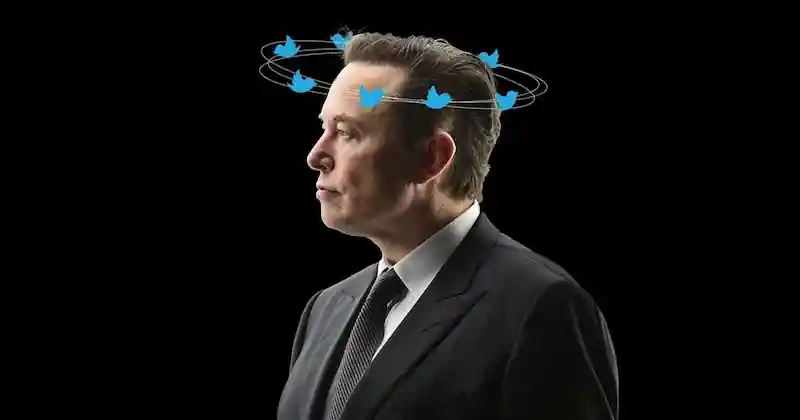


Elon Musk's tenure as CEO of Twitter has been tumultuous. Musk promised to make the social media platform "better than ever" by increasing transparency, reducing the number of bots, strengthening the business, and promoting "free speech." However, six months have passed since Musk took control of Twitter, and the future of the company and the platform is now uncertain.
After purchasing the social media platform for $44 billion in late October, Musk now values Twitter at around $20 billion, which some believe is an overestimate. Musk has repeatedly warned that Twitter could file for bankruptcy, but he claims to have turned it around by cutting costs, laying off 80% of its staff, and not paying some of its bills, according to multiple lawsuits. However, it is unclear how and when Musk will return Twitter to growth.
Musk has antagonized journalists and news outlets that have been pivotal to the platform's success, overseen policy changes that threaten to make Twitter less safe or reliable, made the platform less transparent to researchers, and driven away many top advertisers. His primary plan to grow Twitter's business through an overhauled subscription strategy has resulted in chaos but only a limited number of actual subscriptions. In the process, Musk's reputation has been upended. Once known for his innovative efforts to launch rockets and build electric cars, Musk has instead spent much of the past six months in the headlines for controversial policies and feature changes at Twitter, draconian staff cuts that lead to frequent service disruptions, and briefly banning several prominent journalists. He's also tweeted many eccentric remarks from his personal Twitter account, including sharing conspiracy theories and publicly mocking a Twitter worker with a disability who was unsure whether he'd been laid off.
Leslie Miley, a former Twitter engineering manager who started its product safety and security team and left the company in 2015, said, "If he had done nothing except cut costs, then Twitter would have been okay. If you had just let everyone go, treated them with respect, and just let the service run for two years, you probably would be okay." However, Miley said he expects Twitter will "eventually go down the road of MySpace."
Twitter, which has slashed much of its public relations team under Musk, responded to CNN's request for comment on this story with the auto-reply from its press email that it has used for weeks: a poop emoji. For years, what differentiated Twitter from other social platforms was that it served as a central hub for real-time news. It was a place for ordinary people to read and even engage in conversation with celebrities, business leaders, and other newsmakers.
Many of Musk's recent moves on the platform threaten to undermine that purpose, not to mention the larger information ecosystem. It's unclear whether these efforts will improve the company's business. Former Twitter Chair of Global News Vivian Schiller said, "Twitter has never been perfect, it had a lot of problems, but it was critical global infrastructure for information that Elon Musk is now systematically, frankly, vandalizing." Most recently, Musk removed the legacy blue checkmarks that verified the identities of prominent users, saying he would instead make the checks available only to those who pay $8 per month for Twitter Blue in the interest of "treating everyone equally." But the move may make it easier for bad actors to impersonate high-profile people and harder for users to trust the veracity and authenticity of information on the platform. What's more, Musk then decided to sponsor the blue checks for certain celebrities, including Stephen King and LeBron James, in effect creating exactly the "different standard" for famous users he'd professed to want to avoid.
Now, Musk says content from verified users will be promoted on the platform, potentially making it harder for users who can't afford a subscription, or simply don't want to pay Musk for one, to find an audience on the platform. The new paid verification system won't necessarily rid the platform of bots, an issue Musk spent months railing on while trying to get out of the acquisition deal last year, according to Filippo Menczer, a computer science professor at Indiana University and director of the Observatory on Social Media.
Menczer added that the result could be "less free speech, because you're drowning out the speech of regular people [with speech] by people who either have the technical skills or the money to manipulate the system." Twitter's move to charge users of its API will also make it harder for researchers to identify and warn the platform about inauthentic activity, Menczer said, and could disrupt other positive uses of the platform that contributed to its reputation as a news hub. Weather agencies, for example, have warned that the change could make it harder for them to release automated emergency weather alerts.