


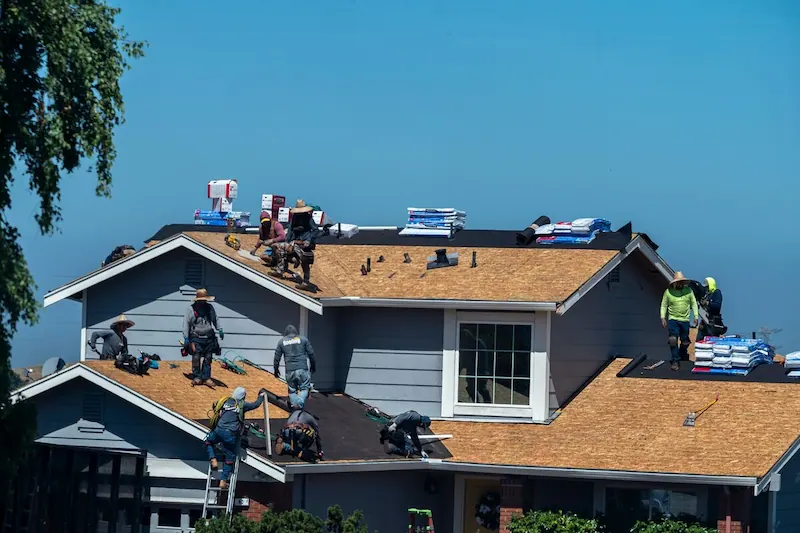


In a significant slowdown for the US housing market, new home construction plummeted in May to its slowest pace in four years, as rising interest rates continue to dampen the industry's earlier momentum.
According to government data released on Thursday, housing starts dropped by 5.5% to a 1.28 million annualized rate last month, falling below expectations and marking a concerning trend for the sector. Building permits, a key indicator of future construction activity, also tumbled by 3.8% to a 1.39 annual rate, hitting their lowest level since June 2020.
The decline in both housing starts and permits was widespread, affecting both multifamily and single-family units. Permits for single-family homes saw their fourth consecutive monthly decrease, reaching the slowest pace in a year.
This downturn in homebuilding could potentially detract from economic growth, as residential construction, which had shown signs of stabilization earlier in the year, begins to falter. The Federal Reserve Bank of Atlanta's GDPNow forecast had initially indicated that this category would remain relatively stagnant in the current quarter.
Despite recent data suggesting a cooling in inflation and consumer spending, paving the way for potential interest rate cuts by the Fed, the US continues to grapple with a severe housing shortage. This imbalance has led to inflated prices, making homeownership increasingly unattainable for many Americans.
In response to the challenging market conditions, major homebuilders such as Lennar Corp. and KB Home have been offering generous sales incentives to stimulate demand. While these measures have helped drive up interest, companies are also looking forward to the prospect of lower mortgage rates resulting from potential rate cuts, which could further bolster demand and improve margins.
Regionally, construction activity saw declines in three regions, with the Midwest experiencing the sharpest drop of 19%. While there was a slight uptick in building activity in the West, it still lagged behind the levels seen for much of the previous year.
Additionally, home completions also decreased, with the number of multifamily projects under construction hitting a low not seen since September 2022, while one-family units experienced their slowest pace of the year.
Despite the volatility of housing starts data, the government report suggested a wide range of potential outcomes, with a 90% confidence interval indicating a monthly change ranging from a 3.9% decline to a 14.9% gain.