


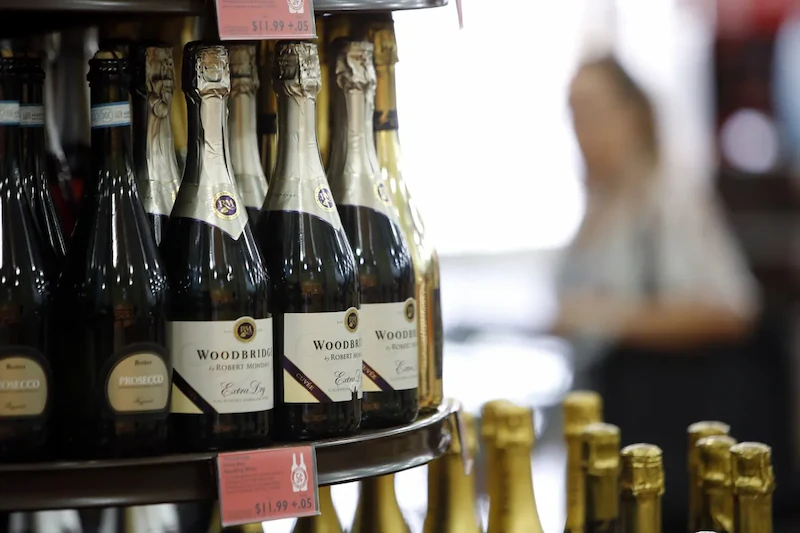


What just happened to American wine exports is less a stumble than a full-body collapse — and for winemakers across the U.S., it’s not just a bad month. It’s a warning sign.
In April, wine shipments from the U.S. to Canada — historically its most dependable buyer — dropped off a cliff. We're talking a 93% plunge compared to the same time last year, which is the steepest nosedive on record since at least 2002, according to the U.S. Census Bureau. And if that number doesn’t jolt you, maybe this will: the next biggest buyers, the UK and China, also pulled back. The damage didn’t stop at the border. Global exports of U.S. wine in April were down 41%, after already falling 28% in March.
It’s not just a downturn; it’s something closer to free fall.
There’s a bitter twist in all this. Canada, of all places, had been the U.S. wine industry’s closest ally in recent years. Just last year, nearly one out of every three export dollars from American winemakers came from Canadian shelves, according to United Nations trade data. But the relationship soured fast after U.S. tariffs hit Canadian goods earlier this year, prompting some provinces — where liquor sales are often run by the government — to yank American-made wines from their stores. A few have quietly started to restock. Others are holding the line.
At the same time, Canadian importers are still staring down a 25% tax wall on American wines — a retaliatory measure that dates back to the Trump-era tariff battles and hasn't yet been dismantled.
Karl Storchmann, who heads the American Association of Wine Economists, didn’t sugarcoat it. “Wine is in a crisis,” he said plainly. “There’s too much of it being made, and fewer people are drinking it. But what’s making the current moment so dramatic is the loss of the Canadian market.”
This isn’t just about politics. It’s about shifting tides in what people want to drink — and how much of it. Wine used to hold a steady place in the rhythms of life for millions, but those habits have been changing. According to long-term data crunched by the AAWE, the average per-person wine consumption in the U.S. has been sliding for decades — more than 50% since its peak in the early '70s. Even fancy bottles aren’t safe. There's just… less interest.
John Dunham, an economist who’s spent years looking at trends in alcoholic beverages, points to something bigger: “The global economy is barely limping along. When times are tight, luxury items — and that’s what wine really is, for many — get pushed aside.”
So now, American winemakers find themselves squeezed from all sides. They’re producing more than the market wants. Foreign buyers are pulling back. Trade fights are still leaving scars. And consumer tastes keep drifting toward other beverages — canned cocktails, non-alcoholic brews, hard seltzers — things that feel trendier, fresher, maybe even more responsible.
There’s no quick fix here. If anything, April’s collapse might just be the beginning of a reckoning. Wineries that once counted on steady foreign demand now face a world where old loyalties don't mean much, and where trade policy can shift faster than the harvest.
The irony? A good bottle of American wine hasn’t gotten any worse. The problem is that fewer people are reaching for one.