




New Zealand is preparing to take a small but significant step in reshaping its real estate rules, one that could bring a fresh wave of wealthy outsiders into its housing market. After years of keeping a tight lid on foreign ownership, the government has decided to loosen restrictions, but only for those at the very top end of the spectrum. The new policy, unveiled this week, will allow holders of the so-called golden visa to purchase homes priced at NZ$5 million or more, opening a narrow doorway to a corner of the market long out of reach for non-residents.
The shift is not immediate — the new rules will be tied to upcoming reforms to the Overseas Investment Act, expected to take effect toward the end of the year. Still, Prime Minister Christopher Luxon wasted no time in pitching the move as part of his wider push to breathe life into an economy that has struggled with sluggish growth. In his view, offering wealthy investors the chance to own a slice of New Zealand is a way to bring capital, ideas, and long-term commitments into the country.
Luxon framed it plainly: New Zealand is competing with nearly 200 other nations, all eager to attract global investors who can choose where to plant their money and their families. The golden visa program, relaunched five months ago under the name Active Investor Plus, was designed to draw in high-net-worth individuals through residency tied to investment. Now, pairing it with access to luxury property, the government hopes to give itself an edge.
Numbers show there is real interest. As of the end of August, Immigration New Zealand had logged over 300 visa applications, covering about 1,000 people. That represents a potential combined investment of nearly NZ$2 billion, with around 40 percent of applicants coming from the United States.
For most of the past seven years, foreign nationals had virtually no path to the property market here. Citizens, residents, and buyers from only two countries — Australia and Singapore — were able to purchase homes freely. The ban, introduced by former Prime Minister Jacinda Ardern, was rooted in concerns that overseas money was inflating prices and shutting locals out.
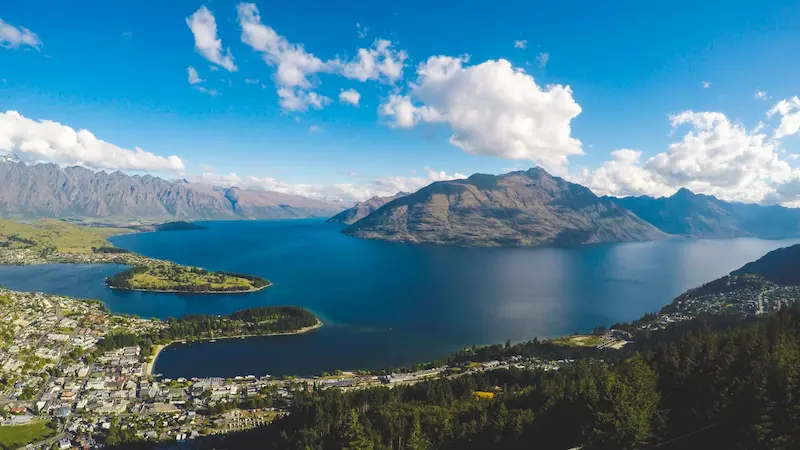
Even now, the opening will remain very limited. Research by property consultancy Cotality estimates there are about 7,000 homes across the country valued above NZ$5 million — a fraction of the housing stock, less than half a percent. The bulk sit in Auckland, the commercial hub, with others clustered in Queenstown, the South Island resort town known for its ski slopes and luxury tourism. But only a few hundred of these homes actually go on the market each year, meaning supply for foreign buyers will remain scarce.
Some see the change as enough to reposition New Zealand as a desirable destination for wealthy migrants. Stuart Nash, a former government minister now advising high-net-worth clients, said the door that was previously slammed shut is at least ajar again. For investors who want more than a residency card, being able to buy a home in the country can be the deciding factor.
But will it matter for the average New Zealander trying to buy their first house? Probably not. Data shows that before the ban in 2018, foreign buyers made up only a tiny slice of total sales — between 2 and 3.5 percent. Economists note that the overall housing market is far more influenced by domestic factors such as employment, lending rules, and supply constraints. Prices have already softened this year, with July marking the fourth month in a row of decline.
Luxon has cast the policy as a compromise, a balance between concerns about foreign ownership and the reality of competing for global wealth. By limiting purchases to trophy properties, he argues, the government is courting investors without stoking wider affordability issues. Critics will no doubt debate that balance in the months ahead, but one thing is clear: after years of holding outsiders at arm’s length, New Zealand is inching back onto the radar of the global elite.