


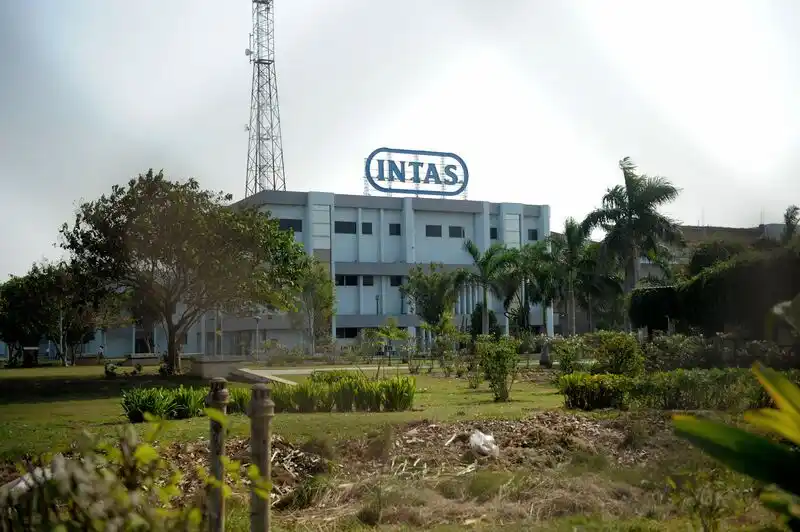


Regulators in the United States have discovered further manufacturing issues at Intas Pharmaceuticals Ltd., an Indian generic drugmaker whose previous quality problems caused one of the worst shortages of cancer medications in decades. Despite making over 100 generic drugs approved in the US, Intas has been plagued with manufacturing issues, prompting the shutdown of one of its production facilities after shredded documents relating to drug quality were discovered during an inspection.
The most recent inspection by the Food and Drug Administration (FDA) took place in May this year at another of the company's facilities. During the inspection, FDA officials documented several alarming practices which raised serious doubts about the "safety, efficacy, purity and overall quality of drug products manufactured" at the facility. The plant in question manufactures treatments for a variety of conditions including breast cancer, Parkinson's disease, and opioid abuse disorder.
The FDA's report claims that the findings of the inspection could exacerbate the drug shortages already afflicting the US market. Shortages of chemotherapies cisplatin and carboplatin resulted from the first inspection at an Intas factory in November, leading to the company ceasing drug production while they attempted to remedy issues uncovered by inspectors. The review process has led to delays in Intas' cancer medications reaching patients as the FDA affirms their safety.
According to the FDA, the rampant issues with subpar manufacturing are often a significant factor contributing to drug shortages in the US. Factory shutdowns, recalls, and additional testing resulting from such issues inevitably delay crucial treatments from reaching patients. Despite efforts by the FDA to educate and train pharmaceutical manufacturers, the supply chain for generic drugs is heavily dependent on India and China, where cutting corners has been a widespread systemic problem.
The unexpected May inspection report revealed that Intas was attempting to cut corners by manipulating data to pass visual checks for particles, including black specks, fiber, and glass, even using altered records to release batches of drug products for sale in the US. Inspectors documented evidence indicating long-term ignored findings of "spore-forming organisms" - responsible for potentially dangerous bacterial contamination - in sterile areas, including one separate building of the plant specifically intended for the production of oncology drugs. Further, the company had not verified the accuracy of the quality test methods they use for 112 FDA-approved generic drugs.