


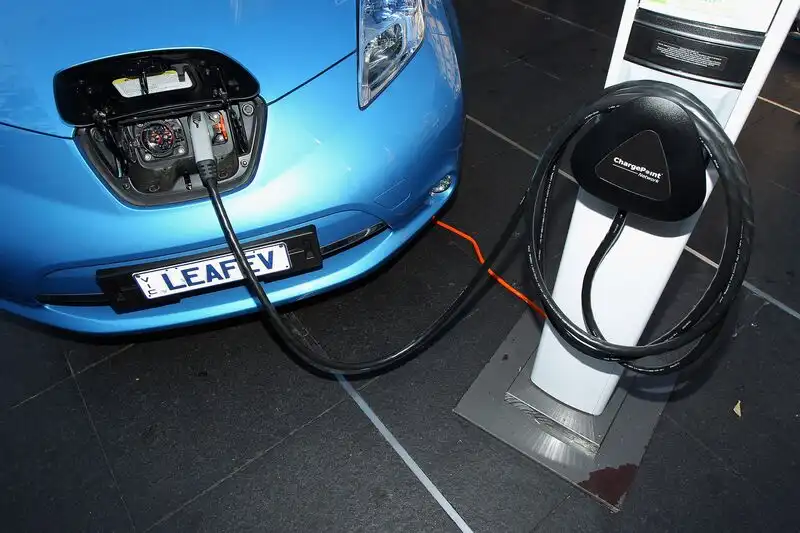


Japanese automaker Nissan is investing time and resources into recycling and reusing the batteries of its all-electric Leaf cars that have reached the end of their lifespan. At the factory in Namie, Fukushima – operated jointly with Sumitomo Corp. and known as 4R Energy – engineers spend hours on each battery pack before shipping them off. The process is time-consuming and currently not profitable, but it is important in helping the auto industry to fulfil its promise of being truly green.
The reuse of electric vehicle (EV) batteries ensures that they are not discarded in landfills where they may release toxins or melted down and pulled apart for their metals, which can be hazardous when not done correctly. It also means that the EV industry relies less on costly rare-earth elements such as lithium and cobalt and reduces the carbon emissions associated with the manufacture of EV batteries. Furthermore, by creating a larger market for used batteries, it will boost the secondhand market for electric cars, extending their life span and resale value, which will accelerate their adoption, says Yutaka Horie, 4R Energy President.
4R Energy was established in 2010 as a joint venture between Nissan and Sumitomo, with a goal to reuse batteries instead of recycling them. At present, the company only handles old Leaf batteries, but it plans to increase its scale by working with other Nissan models like the newer EV, Sakura. The company is also focusing on repurposing old batteries in renewable energy generators like wind and solar.
The recycling and reuse of EV batteries are both important for the industry's future, according to BloombergNEF analyst Colin McKerracher, as both have their roles to play. Recycling EV batteries involves breaking down end-of-life batteries and extracting their raw minerals for the production of completely new batteries. In contrast, reusing involves swapping out deteriorated cells with healthy ones to prolong the life of aged but still functioning batteries. Repurposing is more time-consuming but allows for the company to reuse more of the battery materials.
The 4R Energy plant begins its process by slicing open the battery packs and conducting an extensive evaluation. A computer performs an initial assessment before being put through a stress test. Workers repeatedly subject the batteries to extreme high and low temperatures in a sealed room referred to as the Sauna. This provides data on the extent of deterioration, remaining battery range, and previous drivers' driving history. The decision about whether to reuse or recycle the battery then becomes an informed decision based on safety, environmental, and economic considerations.
4R Energy won't disclose financial data. Still, the company believes that growth will eventually make it profitable, with its intake doubling annually since its establishment in 2018. It currently handles batteries from all over Japan, and with its expansion plans, more EV models soon.
Moreover, battery recycling, refurbishing, and repurposing have become vital as projections suggest up to 77 million EVs are expected to be on the road by 2025. That figure could reach 229 million by 2030, according to figures from BNEF.