




Pharmacy benefit managers (PBMs) emerged in the 1960s as a means to help health insurance plans control their spending on prescription drugs. Initially, they were praised for their ability to leverage the purchasing power of thousands of employers and insurers to negotiate lower prices for medications, acting as a counterweight to drug companies. However, PBMs are now frequently criticized for contributing to the rising costs of prescription drugs, rather than offering a solution.
The issue lies in the side deals that PBMs make with pharmaceutical companies, which allow them to secure additional cash for themselves from the very parties they are supposed to be negotiating against. With increasing pressure to pass along all discounts from drugmakers back to their clients, PBMs have recently changed the terminology surrounding these payments, making it more challenging to trace the money.
This shift has further complicated an already opaque payment system and put PBMs in the line of fire from various stakeholders. Officials such as Federal Trade Commission Chair Lina Khan and Florida Governor Ron DeSantis are demanding more transparency from these companies, and Congress is advancing legislation to force increased disclosure about their arrangements with pharmaceutical manufacturers.
While many Americans may have a limited understanding of what PBMs do, they have a significant influence over the availability and cost of medications for nearly everyone with health insurance. PBMs claim to save money for their clients, including employers and health plans, by obtaining discounts on drug prices set by manufacturers. However, critics argue that PBMs' agreements with drug companies create conflicts of interest since they also receive undisclosed rebates and fees based on the value of the medications sold by these same manufacturers.
Lauren Vela, a consultant to the Purchaser Business Group on Health, which represents numerous employers such as Amazon, JPMorgan Chase, and Walmart, states that PBMs are concealing money obtained from the parties they negotiate with, something that would not be acceptable in any other industry.
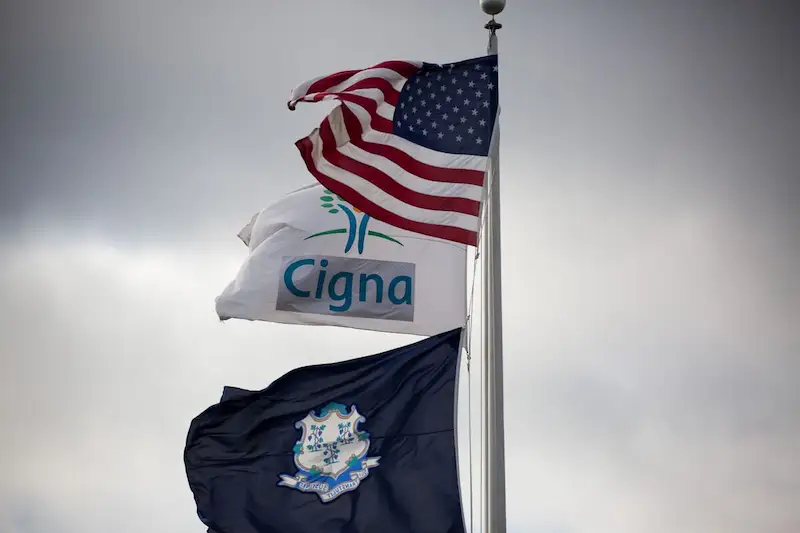
After years of consolidation, the PBM market is now dominated by three major companies: Cigna Group, CVS Health, and UnitedHealth Group. These three entities handle approximately 80% of prescription claims. Executives from these companies claim that they pass on almost all rebates received from drugmakers to their clients. In fact, Cigna's Express Scripts PBM announced a new "fully transparent" option in April, offering clients 100% of the rebates it receives.
Despite these assertions, some clients are losing confidence in PBMs. Blue Shield of California, for example, recently announced plans to replace certain drug procurement services from CVS Health's Caremark PBM with a combination of other options, including Amazon's growing pharmacy business and a venture backed by billionaire Mark Cuban. The CEO of Blue Shield, Paul Markovich, emphasized the need to start over and move away from current arrangements.
CVS defended its practices, stating that it has kept drug spending increases in the single digits while drugmakers have raised list prices at a rate four times higher than inflation. The company also claimed to earn clients' trust by delivering results and providing transparency on how healthcare dollars are spent. Similarly, Cigna maintains that its PBM and affiliated purchasing group contribute to lowering the cost of prescription drugs for plan sponsors and millions of Americans. Optum Rx, the PBM under UnitedHealth, aligned competition to reduce drug costs with the interests of clients and consumers rather than the manufacturers that set the prices, according to the leader of the organization.
However, documents and industry insiders suggest that PBMs' promises to pass on rebates to their clients are misleading. Over the years, PBMs have changed the terminology of payments they receive from pharmaceutical companies. Instead of calling them rebates, these payments are now referred to as "administration fees," "data fees," or "inflation protection." Critics argue that this shift allows PBMs to retain funds from drugmakers while claiming to pass on all rebates to clients.
Trond Waerness, the founding president of Atna Consulting Services, notes that PBMs add various "junk fees" to their contracts, allowing them to argue that these fees are not rebates. Furthermore, these fees are based on a drug's list price, despite the fact that the cost of handling a prescription does not increase based on the drug's price. This pricing structure enables PBMs to charge significantly more for high-priced drugs compared to lower-priced ones.
The FTC is currently investigating these arrangements, having issued subpoenas to PBMs and their affiliated group purchasing organizations for details on any remuneration or consideration received from drug manufacturers. Court records in bankruptcy cases have also shed light on these payments. For example, invoices from Cigna's Express Scripts show that they continued to bill Insys Therapeutics, the maker of the controversial fentanyl spray Subsys, for rebates and fees associated with Subsys prescriptions despite Insys filing for bankruptcy.
The Senate Finance Committee's 2021 report on insulin costs also highlighted that PBMs collect substantial revenue through administrative fees as insulin prices rise. Agreements between UnitedHealth's Optum Rx and Sanofi revealed that the PBM's administrative fee was 4.75% of the drug's list price, with no agreement to pass it on as a rebate.
The involvement of PBMs in driving up prices has led to various lawsuits filed by states and municipalities against the three largest PBMs and the main insulin manufacturers: Eli Lilly & Co., Novo Nordisk, and Sanofi. These lawsuits allege that both parties worked together to raise prices. The city of Cleveland filed a lawsuit in July, claiming that PBMs retain a significant but undisclosed share of money from drugmakers and use ambiguous terms like "administrative fees" and "volume discounts" to obscure the substantial sums exchanged between PBMs and insulin manufacturers.
The insulin manufacturers argue that they help patients afford medication, comply with pricing laws, and are unaware of how PBMs and insurers utilize the rebates and fees they pay to them. PBMs, through their trade group, the Pharmaceutical Care Management Association, assert that they provide clients with requested information and negotiate contracts transparently. They argue that the fees they receive from drug companies for services beyond rebates are legitimate.