


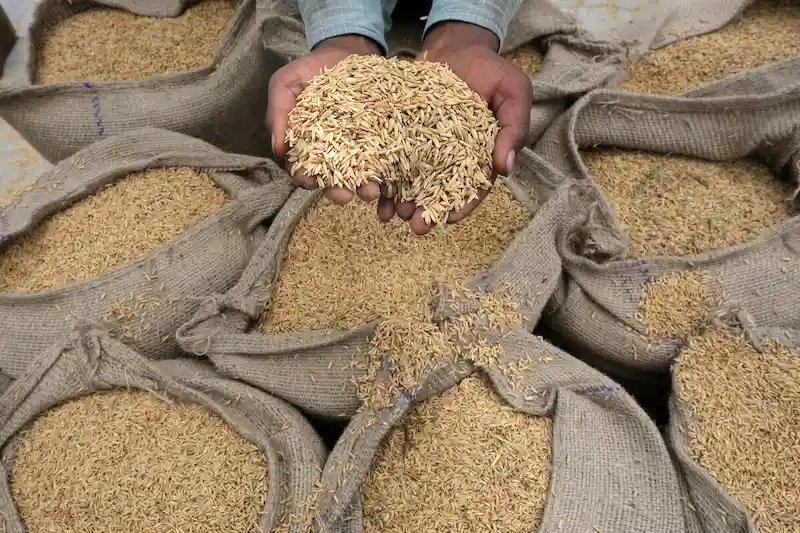


India recently implemented new restrictions on the export of rice in an effort to ensure its own food security, a move that is likely to further tighten global supplies of the grain. The government imposed a 20% export tax on parboiled rice, effective immediately. This comes as India has placed restrictions on the overseas sale of all non-basmati varieties of rice, which make up approximately 80% of the country's total rice shipments. India is the top exporter of rice globally, with a 40% share in the global rice trade.
The implementation of these measures by India has led to a surge in Asian rice prices, reaching their highest level in almost 15 years earlier this month. The increase in prices could continue to rise, which would have significant cost implications for importers such as the Philippines and several African nations. India's protectionist measures align with its aggressive attempts to curb domestic food prices ahead of the upcoming general election, where Prime Minister Narendra Modi will seek a third term.
By restricting rice exports, India aims to bring down domestic prices, consequently aiding in controlling food inflation. However, this move is expected to drive up global prices, forcing buyers to absorb the additional costs. Additionally, there may be renegotiations between buyers and sellers regarding existing contracts as a result of these developments.
Rice is a staple food for nearly half of the world's population. India's restrictions on rice exports come at a time when global food costs remain high due to factors such as the ongoing conflict between Russia and Ukraine and volatile weather conditions affecting grain and oilseed supplies worldwide. Concerns have been raised over the impact of India's measures on poorer nations, particularly those still recovering from the economic downturn caused by the COVID-19 pandemic.
Parboiled rice accounts for approximately one-third of India's total rice exports. The country has already banned the export of broken rice and non-basmati white rice, limited shipments of wheat and sugar, and imposed restrictions on the stockpiling of certain crops. In addition, there are discussions regarding the abolition of a 40% import levy on wheat, as well as the potential sale of tomatoes, onions, and grains from state reserves in order to improve domestic supplies.
It is worth noting that parboiled rice undergoes a process of partial boiling before milling, which enhances its nutritional value and alters the texture of the cooked rice. Some restaurants prefer parboiled rice because it is already clean and easy to cook.
The government has clarified that exporters with valid letters of credit prior to the implementation of the new regulations will still be permitted to ship rice. The export tax on parboiled rice will remain in effect until October 15th, according to the government's notification.