


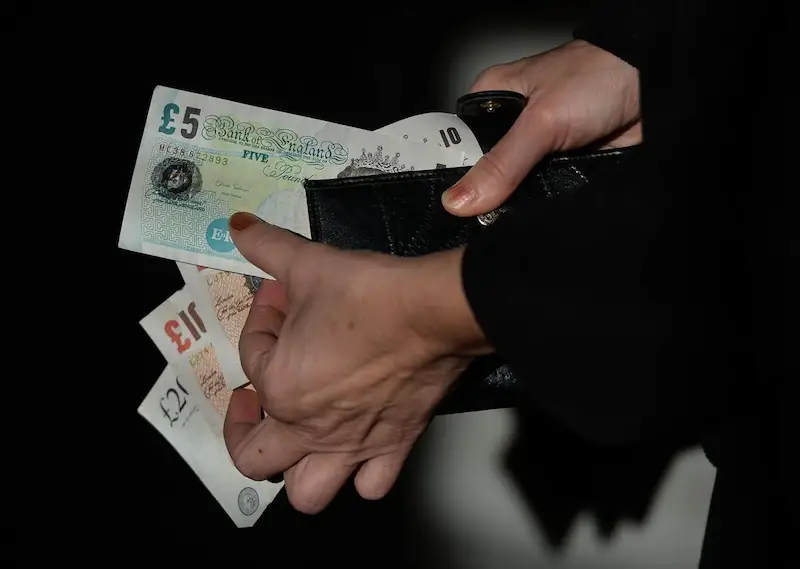


The UK government recently announced significant increases in both the national living wage and the real living wage, aiming to provide better wages for workers across the country. Here’s a breakdown of the differences between these wage rates and what they mean for employees.
The national living wage is the minimum hourly pay that nearly all UK workers are entitled to from the age of 23. Employers are legally obliged to pay this wage, and failure to do so can result in fines. However, certain groups do not qualify, such as self-employed workers, company directors, volunteers, members of the armed forces, and prisoners.
Chancellor of the Exchequer, Jeremy Hunt, decided to increase the national living wage in response to the rising cost of living, which has been exacerbated by the pandemic. By boosting workers' incomes, the government also expects an increase in income tax receipts. The level of the national living wage is determined by the government based on the recommendations of the Low Pay Commission, an independent body funded by the state.
It is important to differentiate between the national living wage and the minimum wage. The national living wage is a part of the UK's national minimum wage law. Workers and apprentices under the age of 23 receive a minimum wage set at a lower rate compared to the national living wage. For example, apprentices and workers aged under 18 receive £5.28 per hour, 18-20 year-olds receive £7.49, and 21-22 year-olds receive £10.18.
The Low Pay Commission determines what constitutes a "living wage" by recommending a pay rate that equals two-thirds of median earnings, taking economic conditions into account. In January, the commission estimated that the national living wage should reach £11.08 by 2024 to meet this target. Currently, around 1.7 million individuals are paid at or below the minimum wage, with nearly half of all minimum wage jobs found in sectors such as retail, hospitality, cleaning, and maintenance.
In addition to the national living wage, there is the real living wage, an alternative rate established by the Living Wage Foundation, a charity known as Citizens UK. The real living wage is voluntarily paid by over 14,000 businesses to more than 460,000 workers aged 18 and over. The Living Wage Foundation recently announced an increase in the real living wage to £12 per hour by 2024, up from the previous rate of £10.90. In London, the rate, called the London living wage, is higher due to the capital's higher living costs. Next year, the London living wage will rise to £13.15 per hour.
Companies such as Abrdn Plc, Ikea, and KPMG have committed to paying the real living wage. This rate aims to provide a wage that aligns with the cost of living based on a basket of essential household goods and services.
When employers fail to pay either the national living wage or the minimum wage, the government investigates and may publicly name the offending employer. In the past, the government has ordered employers to pay over £100 million to more than a million workers. Notable companies like WH Smith and Lloyds have been identified as failing to pay the national minimum wage.
The concept of minimum wages in the UK dates back to the early 20th century, with certain industries having statutory minimum wages administered by various bodies to settle disputes. The modern national minimum wage was introduced in 1999 by the Labour government, making it binding for all employers. However, the Conservative government later abolished the system. The national living wage, as we know it today, was implemented in recent years to address the issue of low wages among workers.
These recent increases in both the national living wage and the real living wage aim to provide fairer earnings for workers across the UK. By ensuring that workers receive a decent wage, the government hopes to alleviate the financial strain faced by many households and stimulate economic growth.