




India's central bank, the Reserve Bank of India (RBI), is taking steps to clamp down on risky consumer lending as the country's economy continues to boom. The RBI's move is aimed at preventing potential debt traps for borrowers and reducing the risk of defaults. On Thursday, the central bank instructed lenders to allocate more capital for unsecured consumer loans, such as credit cards and personal loans, which have seen a significant growth of over 25% in the past year. While these measures have led to a selloff in bank stocks and raised concerns about reduced profits, economists believe the impact on overall economic growth will be limited.
The RBI's restrictions primarily apply to unsecured loans and do not affect loans for housing, cars, and other secured borrowing, which make up a significant portion of retail loans. With more than three-quarters of retail loans being secured, the impact on the broader economy is expected to be relatively muted. Gaurav Kapur, an economist with IndusInd Bank, explains that this move is aimed at making unsecured lending costlier, reducing demand, but the overall impact on consumption will be limited.
The central bank's measures come as policymakers strive to strike a balance between sustaining India's position as the fastest-growing major economy and maintaining financial stability. Concerns have arisen that consumers are taking on more short-term loans than their income can support, leading to potential defaults and a surge in bad debt for banks. While unsecured lending has grown by over 20% in the past year, urban residents' average monthly income in India has only increased by 7.5% within the same period.
Governor Shaktikanta Das and other senior officials at the RBI have been warning lenders for months to address these risks and strengthen their protection against potential defaults. The regulator is particularly concerned about loans for small-ticket items, typically below INR 50,000 ($600), which have seen an increase in non-performing assets over the past year.
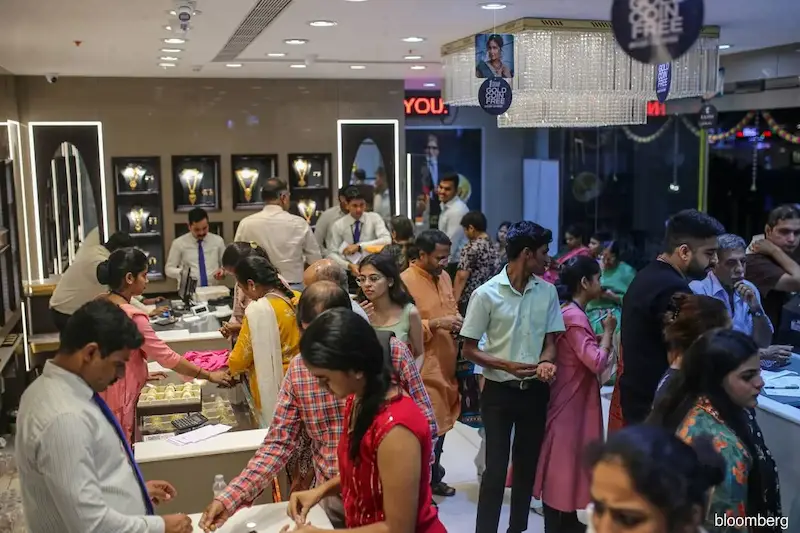
Credit card spending in India reached a record INR 1.48 trillion in August, driven by the upcoming festival season where consumers typically spend on various products. While consumption contributes around 60% to India's $3.3 trillion economy, households have become more dependent on credit, especially after the pandemic.
While the RBI's measures are expected to impact banks and their profitability, the impact on asset quality is expected to be positive. S&P Global Ratings suggests that slower loan growth and a stronger focus on risk management will likely support asset quality in the Indian banking system. However, these measures may result in a decline of around 60 basis points in Tier-1 capital adequacy for banks, according to S&P.
The restrictions imposed by the RBI are particularly stringent for non-bank financial companies (NBFCs) and fintech firms, which are not supervised as closely as traditional banks. The RBI has been gradually tightening control over NBFCs in recent years, aligning them with stricter regulations applicable to banks. Top lenders like State Bank of India and ICICI Bank have expressed confidence in the protection of their personal loan portfolios and their ability to manage financial risks.
However, the new regulations may pose challenges for digital lending platforms that rely on banks for their loans. Raising equity could become more difficult for these platforms, as listed banks and NBFCs face restrictions that compel them to seek fresh equity. Smaller players and unlisted NBFCs may explore options like private equity and venture capital for capital infusion.
In conclusion, the RBI's move to curtail risky consumer lending aims to maintain financial stability and reduce the risk of debt traps and defaults. While banks may face short-term challenges and reduced profits, the impact on the broader economy is expected to be limited due to the restrictions primarily targeting unsecured loans. The tightening measures also aim to address concerns about rising bad debt and potentially unsustainable lending practices in certain segments of the market.