


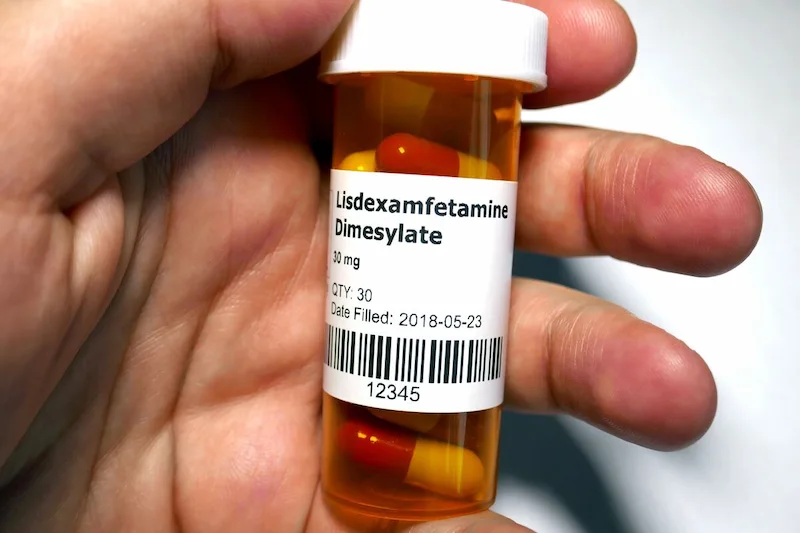


The ongoing shortage of the generic version of Vyvanse, a medication used to treat ADHD, in the US is partially attributed to federal production limits, according to the Association for Accessible Medicines (AAM), a group representing generic drug manufacturers. The AAM has penned a letter to the Drug Enforcement Administration (DEA), highlighting the difficulties faced by manufacturers in obtaining sufficient raw materials to launch their generic products at full scale. These limitations on accessing active ingredients have resulted in a reduction in the production of generic Vyvanse, ultimately leading to increased costs for both patients and insurers who have to rely on the branded drug. The DEA has yet to respond to the letter.
As a controlled substance prone to abuse and addiction, Vyvanse falls under government regulations that restrict its production. The DEA sets production caps to ensure that legitimate demand is met while preventing an excess supply that could enter the black market. Prior to August, Vyvanse was only available as a branded drug sold by Takeda Pharmaceutical Co. With the entry of generic competition in the market, manufacturers sought permission from the DEA to produce generic Vyvanse. However, the AAM points out a catch-22 situation: the DEA sets limits based on past production and future sales commitments, but companies manufacturing a new generic drug have no previous sales history. As a result, they hesitate to enter into new sales contracts without assurance of obtaining the necessary government permission. Failing to secure this permission would mean they would have to cover customers' fees for not fulfilling their contracts.
There has been disagreement regarding the role of these production limits in the ongoing shortage of ADHD medications. While some manufacturers argue that the limits have hindered increasing availability, the DEA has maintained that they are not the cause. The AAM claims that the DEA's limits have contributed to the scarcity of ADHD drugs in the market, exacerbating the situation.
Since August 2022, the availability of medications used to treat ADHD has been tight following a labor shortage at Teva Pharmaceutical Industries Ltd., which affected the production of generic Adderall, another commonly prescribed ADHD medication. This shortage has triggered a ripple effect as patients switch to alternative medications such as Vyvanse or scramble to find the drug from other manufacturers.
The Food and Drug Administration (FDA) has reported shortages of generic Vyvanse from at least seven drug manufacturers. Two of these manufacturers have expressed their willingness to increase production if granted permission to do so. Hikma Pharmaceuticals Plc emphasizes that an adequate supply of raw materials would have a significant impact on resolving the shortage. Francesco Tallarico, Chief Legal Officer at Apotex Inc., also states their readiness to assist with supply shortages if the DEA adjusts the quota.
Despite the limitations, data from Symphony Health reveals that generics accounted for 60% of Vyvanse prescriptions filled last month. Finding solutions to the shortage of ADHD medications is crucial to ensure that patients have access to the treatment they need.